
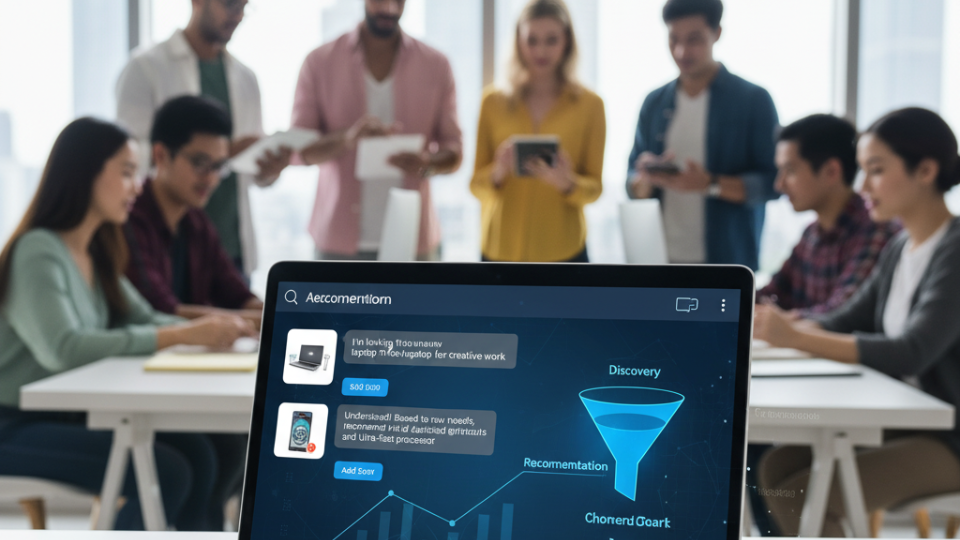
Imagine a potential customer lands on your website, interested in a product or service. They browse for a few minutes, have a question, but can’t find the answer quickly. Frustrated, they leave. This scenario plays out countless times daily, representing lost opportunities. What if you could offer instant, personalized assistance around the clock, guiding every visitor directly to what they need or helping them overcome hurdles to purchase? This isn’t just about customer service. It’s about strategically deploying an AI chatbot for conversion optimization, transforming casual browsers into committed customers by ensuring every interaction moves them closer to a purchase.
Understanding the Conversion Funnel Friction Points
Every conversion funnel has friction points (moments where potential customers hesitate or drop off). These could be confusing product details, unanswered questions, complex checkout processes, or simply a lack of immediate support. Traditional websites often rely on FAQs or contact forms, which can be cumbersome and slow. This is where an AI chatbot makes a tangible difference.
Pinpointing and Addressing Customer Hesitations
Before optimizing, you must identify these specific friction points. Analyze your website analytics (where do users drop off?), review common support queries, and even conduct user testing. An AI chatbot, when strategically placed and designed, can become the first line of defense against these hesitations. It acts as an always-on, proactive assistant, intercepting users at critical moments (e.g., on a product page, at checkout, or after a certain period of inactivity) to offer relevant information or assistance. You’re not just waiting for questions. You’re anticipating them and providing immediate, guided solutions, smoothing out the path to purchase.
AI Chatbots for Proactive Lead Nurturing
One of the most powerful applications of an AI chatbot in conversion optimization is its ability to proactively engage and nurture leads, even before they fully commit to a purchase. Unlike static forms or delayed email sequences, a chatbot can initiate dynamic, two-way conversations that adapt to the user’s input in real time.
Guiding Prospects Through Product Discovery
Consider a visitor browsing a complex product category. Instead of letting them get lost, an AI chatbot can pop up with a personalized greeting, “Hi there! Looking for [Product Category]? I can help you find the perfect fit. Are you interested in [Feature A] or [Feature B]?” This proactive engagement helps qualify leads by understanding their specific needs and preferences. The chatbot can then recommend relevant products, link to helpful comparison guides, or even gather contact information for a follow-up from a sales representative for more complex inquiries. This targeted, real-time guidance pushes prospects further down the funnel, transforming passive browsing into active lead nurturing.
- Contextual Greetings: Initiates conversations based on the user’s current page or browsing history.
- Needs Assessment: Asks qualifying questions to understand user requirements.
- Resource Delivery: Provides direct links to product pages, comparison charts, or detailed specifications.
Personalized Product Recommendations and Upselling
Generic product recommendations often miss the mark. An AI chatbot, integrated with your CRM and e-commerce platform, can leverage customer data to deliver highly personalized product recommendations and strategic upsells, significantly boosting average order value and conversion rates.
Dynamic, Data-Driven Suggestions
When a customer expresses interest in a specific item, the chatbot can immediately access their purchase history, browsing patterns, and even explicit preferences. “I see you’re looking at [Product X]. Based on your previous purchases, you might also like [Complementary Product Y], which often enhances [Benefit].” It can highlight bundle deals, suggest relevant accessories, or even offer a slightly higher-tier product with added benefits. This isn’t random. It’s intelligent, data-driven cross-selling and upselling that feels helpful rather than pushy. By presenting customers with items they are genuinely likely to buy, the chatbot enhances their shopping experience while directly impacting your bottom line.
Streamlining the Checkout Process and Reducing Abandonment
The checkout process is often the final, most critical hurdle in the conversion funnel. A complex or confusing checkout can lead to high abandonment rates, regardless of how interested a customer initially was. An AI chatbot can be a powerful tool for streamlining this process and reducing cart abandonment.
Instant Support for Checkout Queries
Implementing a chatbot at the checkout stage provides immediate support for any questions that arise (e.g., about shipping costs, payment options, or return policies). If a user hesitates at the shipping address field, the chatbot can offer to autofill from their account or clarify international shipping options. If they encounter a payment error, the chatbot can offer troubleshooting steps or direct them to an alternative payment method. Furthermore, if a customer navigates away from the checkout page, a well-configured chatbot can deploy a targeted exit-intent message, offering a small discount or an assurance of support to bring them back. This real-time assistance removes common blockers, leading to higher completion rates and more sales.
Post-Purchase Engagement for Repeat Conversions
Conversion optimization doesn’t end with the initial purchase. An effective AI chatbot can also drive post-purchase engagement, fostering loyalty and encouraging repeat business, which are crucial for long-term growth.
Driving Reorders and Feedback
After a customer completes a purchase, the chatbot can send automated updates (like order confirmation and shipping notifications), which improves satisfaction. A few days later, it can proactively check in, “How are you enjoying [Product Name]?” It can then offer personalized tips for using the product, ask for a review, or even recommend complementary products for a future purchase. For instance, if a customer bought a new coffee machine, the chatbot could follow up a month later suggesting specific coffee bean subscriptions or descaling solutions. This ongoing, personalized interaction keeps your brand top-of-mind, builds customer loyalty, and creates opportunities for future conversions and advocacy.