
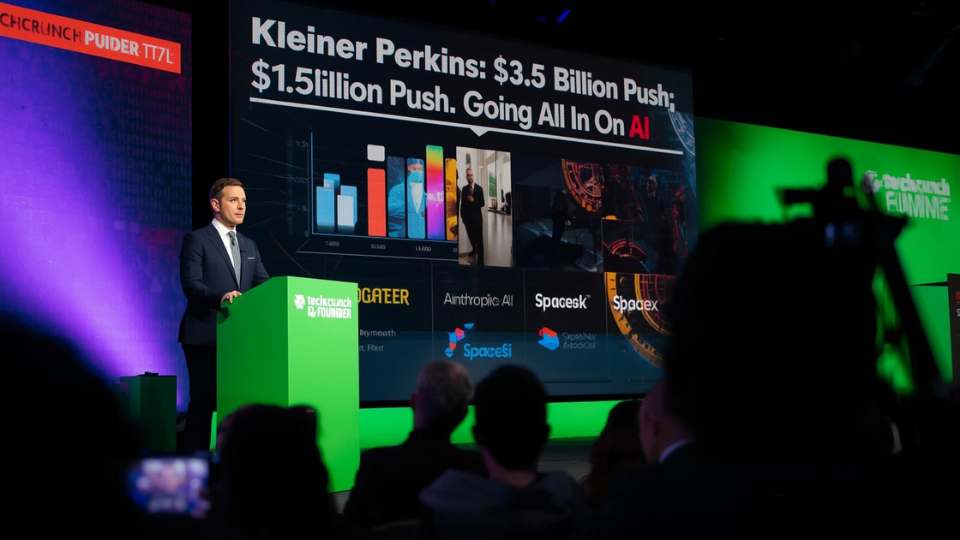
Google just pulled back the curtain on a new AI memory compression algorithm called TurboQuant. While the name sounds like typical corporate branding, the tech community is losing its mind because it looks exactly like the fictional Pied Piper tech from the show Silicon Valley. This new tool allows AI models to run with much less memory without losing their edge. It is a massive win for anyone trying to run heavy AI on smaller hardware.
The algorithm works by shrinking the amount of space data takes up while the AI is thinking. Usually, when you make an AI model smaller, it gets dumber. It starts forgetting facts or making more mistakes. TurboQuant seems to have cracked the code on how to squeeze that data without breaking the brain of the machine. It is a direct response to the massive energy and hardware costs that currently plague the AI industry.
People on X and Reddit were quick to spot the similarities to the HBO show. The memes started flying almost immediately. Even though the show is a comedy about the absurdity of tech culture, the “middle-out” compression it featured is now essentially a reality. Google isn’t shying away from the comparison either. They know that having a “cool” factor helps with adoption, even if the tech itself is deeply academic and complex.
For developers, this is a huge deal. Right now, running a top-tier AI model requires a room full of expensive chips that get incredibly hot. If you can compress those models effectively, you can start running them on laptops or even phones. This moves the power away from giant data centers and puts it back into the hands of individual creators. It levels the playing field for startups that can’t afford a billion-dollar server bill every month.
The implications for the future are big. We are looking at a world where your devices can think for themselves without needing a constant connection to a cloud server. This is better for privacy and much faster for the user. No more waiting for a signal to bounce back and forth from a warehouse in another state. TurboQuant might be the first step in making AI as common and invisible as the electricity in your walls.
Google is positioning this as an open tool for the community. They want people to build on it and find new ways to make AI more efficient. This is a smart move because the more people use their standards, the more Google stays at the center of the AI world. While other companies are building bigger and bigger models, Google is showing that being smarter about the space you use is just as important as having the most data. It is a shift from “more is better” to “efficiency is king.”
As we move forward, expect to see more of these “smart squeeze” technologies. The race isn’t just about who has the biggest AI anymore. It is about who can make that AI work for the average person on average hardware. Google just took a very loud, very public lead in that race, and they did it with a nod to one of the best parodies of their own industry.