
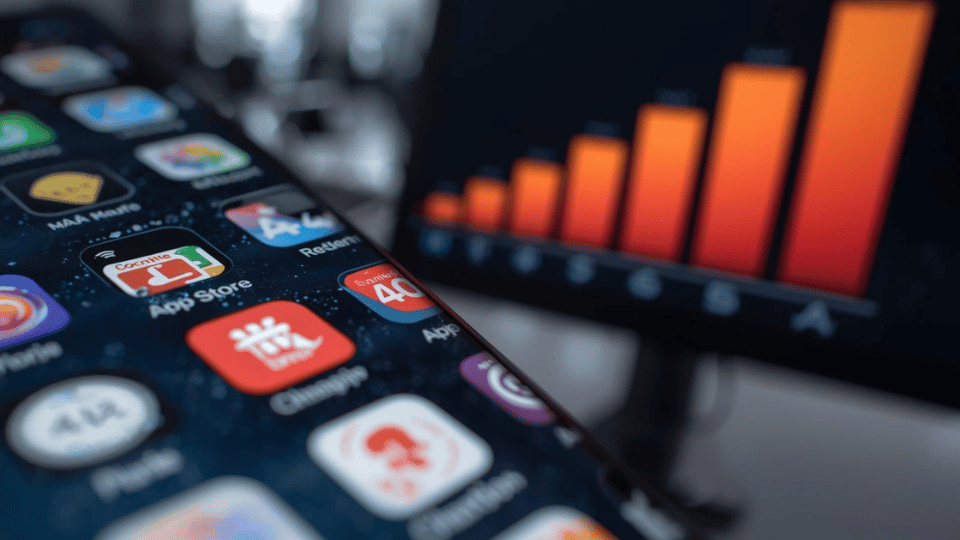
Not long ago, industry experts predicted that artificial intelligence would be the “app killer.” The theory was simple: why would anyone need a screen full of icons when they could just ask a single AI bot to do everything? But as we hit the middle of 2026, the data shows the exact opposite is happening. According to a new analysis from Appfigures, the App Store is not dying; it is having a massive rebirth. Worldwide app releases jumped by 60% in the first quarter of 2026, and the numbers for April are even crazier, showing a 104% surge across both Apple and Google platforms.
Apple’s marketing chief, Greg Joswiak, recently joked that reports of the App Store’s death “may have been greatly exaggerated.” He has a point. Instead of replacing apps, AI is acting like a high-speed engine for creating them. The rise of “vibe coding”—where people use natural language prompts in tools like Claude Code or Replit to generate software—has lowered the barrier to entry so much that almost anyone can be a developer. We are seeing a new gold rush led by creative people who have great ideas but never learned how to write a line of code.
Productivity and Lifestyle Take the Lead
While mobile games still make up the biggest slice of the pie, the types of apps people are building are shifting. For the first time, “Productivity” apps have cracked the top five global categories. “Utilities” have jumped into the number two spot, and “Lifestyle” apps have climbed from fifth to third place in just one year. This suggests that people are using AI to build practical, niche tools that solve specific daily problems. Whether it is a custom fitness tracker or a specialized budget planner, these new apps are filling gaps that big tech companies ignored for years.
However, this explosion of new software is a double-edged sword for Apple. The sheer volume of new submissions is making it harder for the company to catch bad actors. This week, Apple had to pull a rewards app called Freecash after it sat in the top charts for months despite violating several rules. Even more concerning was a malicious clone of a crypto app that managed to steal $9.5 million from users before it was caught. With AI making it easier to build apps, it is also making it easier for scammers to flood the store with high-quality fakes.
The Need for a Digital “Bunco Squad”
Tech critics like John Gruber have argued for years that Apple needs a dedicated “bunco squad” to hunt down these sophisticated scams. As AI-assisted development continues to accelerate, the pressure on Apple’s review team will only grow. They are now facing a marketplace where thousands of new apps appear every single day, and not all of them have good intentions.
The app economy is not slowing down; it is evolving into a faster, more democratic version of itself. We are moving toward a world where your phone might be filled with “disposable” apps—small, specialized tools built in minutes to handle a single task. While this is great for innovation, it puts a much bigger responsibility on the platforms to keep us safe. The App Store is booming, but the real challenge will be making sure this new wave of software is as secure as it is creative.