
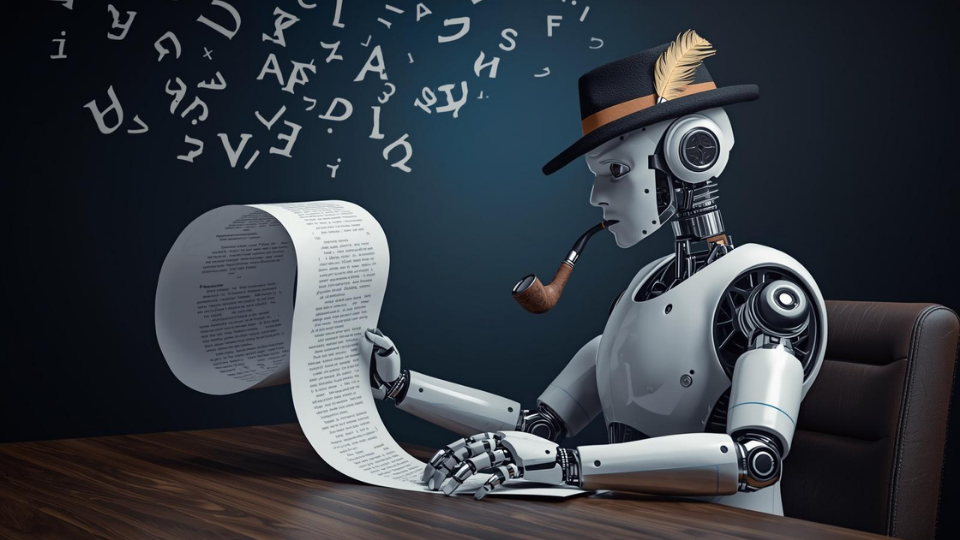
Sometimes things are not just one thing. They are also another thing. This specific way of building a sentence has become so common in AI writing that it is now a massive red flag. If you see the phrase “it is not just X, it is Y,” there is a very high chance that a machine wrote that text. What started as a clever way to sound profound has turned into a digital fingerprint. It is no longer just a hint. It is a total guarantee that the writer is synthetic.
A new report from Barron’s shows just how much this phrasing has infected the business world. They scanned massive databases of corporate communications and found that this sentence structure has exploded. In 2023, the phrase appeared about 50 times in major corporate news releases and earnings reports. By 2025, that number skyrocketed to over 200. This is not just a little quirk. It is a full-blown epidemic. Huge companies like Cisco, Accenture, and Microsoft are all using this specific pattern in their public blog posts and official statements.
Why Does the Machine Love This Phrase?
The reason is actually pretty simple. Generative AI tools are trained on vast amounts of human writing. We used to use this “not just this, but that” structure to add weight to our ideas. Because the AI saw us doing it, it learned to copy it. But while a human might use it once in a while for effect, the AI uses it constantly to fill space. It makes the writing feel balanced and rhythmic, even when the actual content is a bit thin.
Max Spero, the CEO of an AI detection tool called Pangram, says this is a classic “tell.” While seeing this sentence one time is not a smoking gun, seeing it repeatedly is a clear sign of AI assistance. Press releases and company documents are seeing the highest spike. These are the types of writing driven by requirements rather than emotion. When a corporate communications team is in a hurry, they lean on AI to polish their drafts. The machine then adds its favorite repetitive phrases, and the team hits publish without realizing they just told the world they used a robot.
The Problem With Sounding the Same
This trend shows a much bigger issue in the tech world. As companies become more dependent on AI, their unique voices are disappearing. If every CEO uses the same AI tool to write their vision statement, every company starts to sound exactly like their competition. It creates a “gray” world of corporate speak where nothing stands out. When a machine writes that “the future is not just on the horizon, it is already unfolding,” it sounds professional, but it also sounds hollow. It lacks the messiness and original thought that comes from a real person.
Even the use of em dashes has become a signal for AI writing. Machines love to use them to connect ideas that should probably be separate sentences. When you combine those long dashes with the “not just X, it is Y” structure, you get a piece of writing that is technically correct but feels cold and repetitive. It is a reflection of our writing that these tools were trained on, but it is a reflection without soul.
If you want your writing to feel human, you have to break these patterns. Stop trying to sound like a profound philosopher in every paragraph. Use direct language. Tell the truth. If you see yourself falling into the “not just” trap, delete the sentence and start over. In a world full of synthetic text, the most valuable thing you can offer is an original voice that sounds like a person, not a program.