
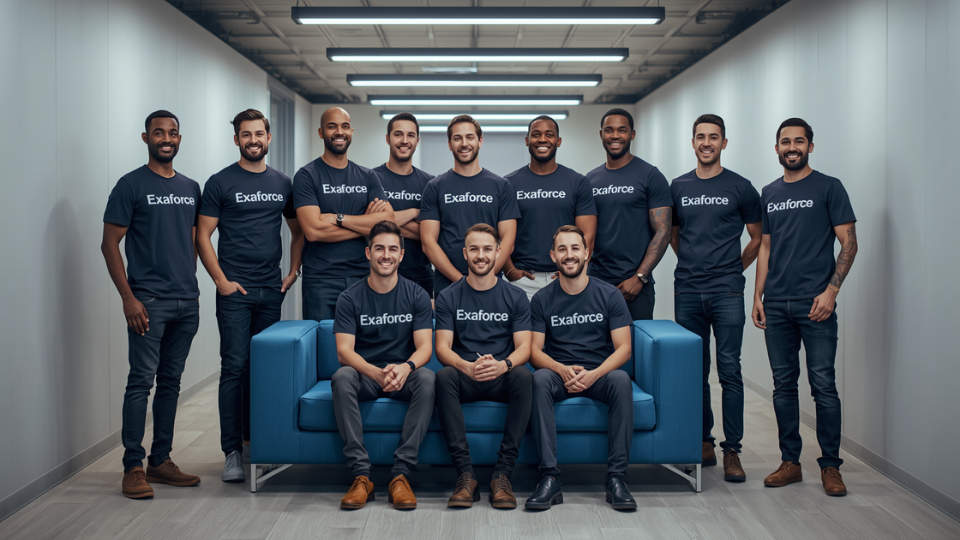
The digital arms race just got a whole lot more expensive. Bad actors now use AI to hunt for software holes at speeds humans can’t match. To stay ahead, companies have to fight back with the same tech. This reality helped Exaforce, an AI startup focused on stopping cyberattacks in real-time, score $125 million in Series B funding. This huge win values the three-year-old company at $725 million. Big names like HarbourVest, Peak XV, and Khosla Ventures joined the round, showing just how much faith investors have in AI-driven defense.
This massive influx of cash comes only a year after their Series A round. It highlights two things: building a high-end security operations center (SOC) costs a fortune, and the market for AI security is exploding. Exaforce uses AI agents they call “Exabots.” These bots handle the deep data analysis needed to automate security tasks. This takes the heavy lifting off human analysts who usually drown in data.
Hunting for the Needle
For CEO and co-founder Ankur Singla, the goal is simple but hard to pull off. He wants his tech to catch and stop threats as they happen. Security teams usually face thousands of alerts every day, and most of them are false alarms. Trying to find a real threat in that mess is like looking for a needle in a haystack. Exaforce claims its platform can cut down these manual, boring tasks by as much as 90%.
One of the coolest new features they added is called “vibe hunting.” It lets security teams talk to the AI in plain English. Instead of writing complex code to search for threats, an analyst can just ask a simple question based on a hunch. For example, they could ask, “Did we get any new attacks from Iran today?” and the AI will dig through the data to find the answer. This makes investigating threats much more natural and faster for the people in charge.
The New Standard for Defense
Exaforce officially hit the market late last year after two years of quiet testing. They already have 20 big customers on the list, including Replit and Guardant Health. With the rise in high-profile attacks, Singla expects that number to double by the end of the year. He says customers are no longer asking “why do I need this?” Instead, they want to know how quickly they can get it up and running.
Of course, Exaforce isn’t the only player on the field. They face competition from other startups like Tines and Prophet Security, as well as massive industry giants like Palo Alto Networks. But by focusing on automating the SOC with specialized AI agents, Exaforce is carving out a spot for itself. As hackers get smarter and faster, the world needs tools that can think and act just as quickly. For Exaforce, this $125 million is the fuel they need to make sure the “good guys” have the best weapons in the fight.