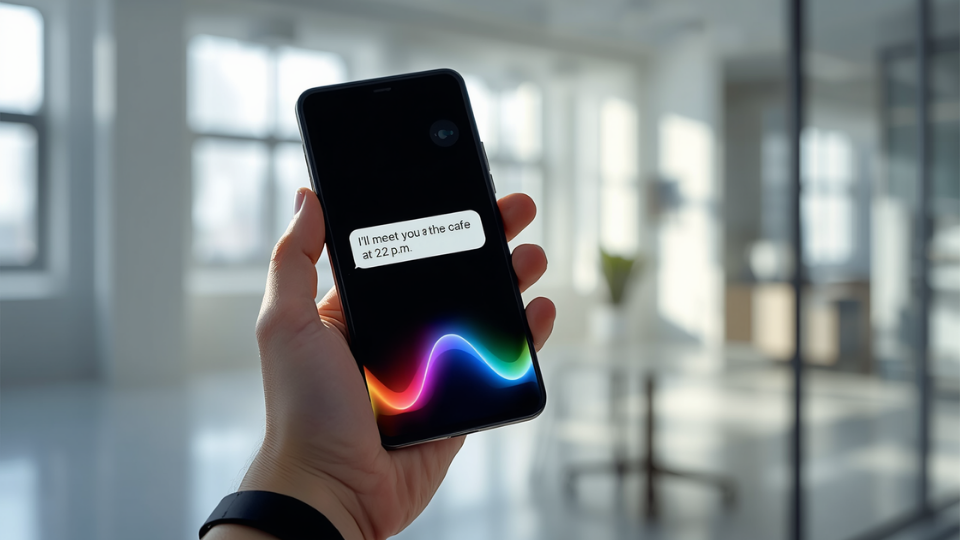
Google just fired a major shot at the world of voice-to-text startups. At its Android Show: I/O Edition 2026 event on Tuesday morning, the company revealed Rambler. This is a new AI-powered voice dictation feature built directly into Gboard, the keyboard app millions of people use every day. This move puts Google in a head-to-head fight with popular tools like Wispr Flow and Typeless.
Rambler does more than just type what you say. Like other top-tier AI tools, it automatically cleans up your speech. It removes filler words like “um” and “ah” so your messages look professional. It also handles mid-sentence corrections with ease. If you say, “I am going to meet you on Wednesday at our usual coffee shop at 3 p.m. um, 2 p.m.,” Rambler knows to fix the time on the fly.
Breaking Language Barriers
Google is using Gemini-based multilingual models to power this new tech. One of its most impressive tricks is “code switching”. This allows users to jump between languages in the middle of a sentence without the AI getting confused. For example, you could start a sentence in English and finish it in Hindi. Rambler will follow your lead without losing the context of what you are saying. This is a feature that many Western dictation apps have struggled to support, giving Google a massive edge in a global market.
Google also wants users to know they can trust the tool with their voice. The company says Rambler only uses audio to transcribe what you speak and does not store any voice recordings. Ben Greenwood, director of Android Core Experiences, explained that Google uses a mix of on-device and cloud processing to keep things private. This is a clear jab at third-party apps that might handle your data differently.
The End of Stand-Alone Apps?
For the last few years, we have seen a wave of dictation apps like Wispr, Superwhisper, and Monologue hit the market. Most of these started on desktop or iOS, leaving Android users waiting for a great built-in option. Google started filling that gap last month by launching Al Edge Eloquent, an offline-first app on iOS powered by its Gemma AI models.
Now, Google is bringing that power directly to the Gboard keyboard. Initially, Rambler will only be available on Samsung Galaxy and Google Pixel phones for a summer rollout. However, it will eventually reach all other Android devices. This is bad news for startups because Gboard is the default keyboard for almost every Android user on the planet.
When a feature like this is pre-installed for hundreds of millions of people, it is hard for small companies to compete. Users no longer have to search for, download, and pay for a separate app when their phone already does the job for free. Dictation startups now face a tough question. It is no longer about whether they can build a good tool. It is about whether they can build something so much better that people will actually go out of their way to find it.