
Micron Technology just captured the full attention of financial markets. Investors on Wall Street are betting heavily that this Boise, Idaho based computer memory manufacturer will follow the exact same hyper growth trajectory as Nvidia. The intense interest comes down to a massive, industry wide supply crunch for specialized hardware components. Regular investors used to associate Micron with basic memory cards and PC hardware storage modules, but the artificial intelligence infrastructure boom has completely flipped that old identity upside down.
The company’s stock market value recently broke through barriers, briefly pushing its total market valuation ahead of tech giants Meta and Tesla for the first time. Micron closed its weekly trading session with a massive market capitalization hovering around 1.27 trillion dollars. To put this explosive growth into perspective, the stock price skyrocketed by over 236% in just a single month, closing at 1,132 dollars a share. Before mid-2025, Micron spent years trading quietly at under 100 dollars a share.
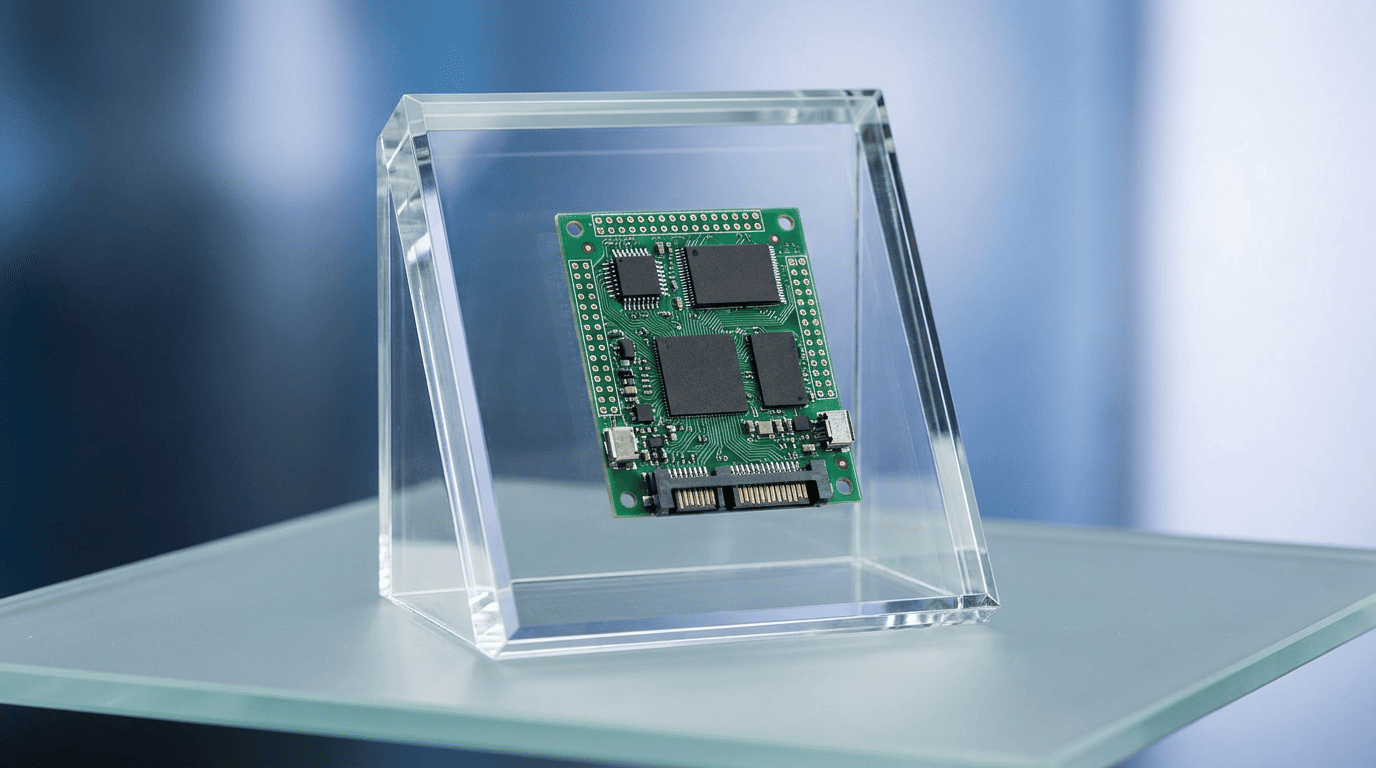
As you can see in the TechCrunch layout featured in image_be0543.jpg, Wall Street is no longer judging the chipmaker by consumer PC trends. Financial firms realize that a single enterprise server running heavy artificial intelligence models requires vast orders of magnitude more memory capacity than any high-end personal laptop. Micron manufactures critical hardware components like standard dynamic random access memory (DRAM), flash storage (NAND), and highly coveted High-Bandwidth Memory (HBM).
This massive explosion in data center construction has triggered a severe global chip shortage. AI pioneers like Nvidia and cloud infrastructure hyperscalers like Microsoft, Amazon Web Services, Google, Meta, and Oracle are buying up every single piece of memory hardware they can secure. This aggressive buying behavior forces consumer tech corporations like Dell and HP to hoard stock, too. The resulting component drought, which industry experts call RAMageddon, is dragging down regular tech supply chains and actively pushing up retail prices for consumer devices like Apple products and home gaming consoles.
The severe shortage handed Micron an incredibly successful third-quarter financial report. Its corporate revenue quadrupled year-over-year to land at 41.45 billion dollars, while its profits exploded from 1.88 billion dollars up to an unprecedented 29.2 billion dollars over that exact same timeline. Looking ahead, the chipmaker projects fourth-quarter revenues to climb even higher, targeting between 49 billion and 51 billion dollars.
The main worry with memory manufacturers like Micron and Samsung is their historical vulnerability to extreme boom and bust cycles. Building cleanroom spaces and factories takes a massive amount of capital and time. Frequently, by the time these facilities open, market demand slows down, creating a supply glut that causes retail chip prices to crash.
Micron claims it has protected its business from this risk by locking down 16 long-term strategic customer agreements across the data center, consumer, and automotive markets. These deals include massive, multi-year supply contracts with Nvidia and AI lab Anthropic. William Blair tech analyst Sebastien Naji praised this protective strategy, pointing out that demand growth keeps outpacing the speed at which Micron can build new cleanrooms. These supply agreements secure long-term revenue visibility, making it highly likely that Micron will stay a profitable hardware powerhouse without crashing anytime soon.