
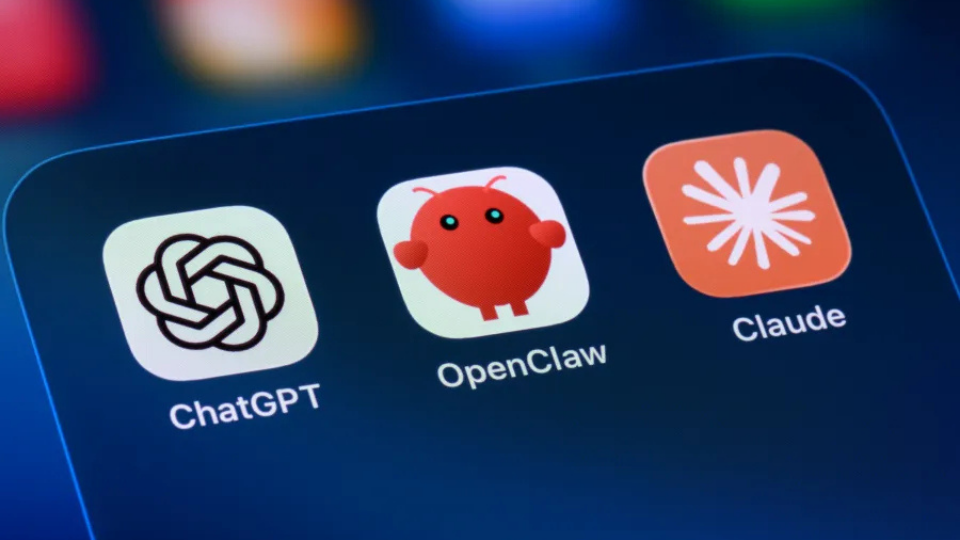
The open-source artificial intelligence movement just made its biggest move of the year. OpenClaw, the viral agentic framework that took the internet by storm, is officially moving from your computer workstation straight into your pocket. The development team announced on X on Tuesday that official mobile apps are now live on both the Google Play Store and Apple App Store, giving users a way to run their custom automation setups on the move.
This is much more than a simple mobile interface update. OpenClaw is not trying to give you another basic chat window where you type messages back and forth with a bot. Instead, the release turns your mobile device into a portable control station for autonomous software agents. These agents can manage complex multi-step workflows, interact with third-party tools, and handle background tasks while keeping you in the loop to approve the next step.
The architectural setup behind the mobile rollout is what makes this launch so interesting for developers. On both iOS and Android, the software works by pairing your smartphone with an existing OpenClaw Gateway. The development team describes this gateway as a traffic controller or routing layer that connects user requests to active AI agents and the localized tools they use to execute commands. Until now, setting up and tracking these tasks required a desktop computer or a heavy developer terminal. The mobile release changes that requirement, allowing you to link your phone directly to your self-hosted desktop system so your automated workflows can travel with you anywhere.
The technical documentation shows that the two mobile versions serve as companion nodes rather than standalone programs. The Android app connects directly to your running local gateway, while the iOS framework links up over a persistent WebSocket connection. Once active, the mobile phone grants your local agents access to hardware features, including phone cameras, live location data, audio microphones for voice wake triggers, and real-time screen captures.
This local-first, privacy-focused approach has been central to the project’s success. Earlier this year, tech enthusiasts scrambled to buy up budget hardware like Mac minis just to run their own self-hosted gateway servers safely at home, avoiding corporate cloud services completely. Before these apps launched, monitoring those servers on the move meant juggling notifications through third-party chat platforms like Telegram or WhatsApp. The official apps clean up that process, offering a dedicated space to review actions, issue commands, and check the status of running scripts.
The mobile launch arrives after a chaotic first act for the open-source startup. OpenClaw originally went viral during the craze surrounding MoltBook, a social network populated entirely by automated profiles. While that event generated massive hype, independent researchers later discovered that human actors were secretly posing as agents to fuel the spectacle, transforming the platform into a clever marketing theater piece. Despite that early drama, major industry players took notice. In February, OpenClaw creator Peter Steinberger joined OpenAI, though he maintained that the project would remain independent.
The initial mobile rollout has experienced some rough edges. The Android version is receiving heavy criticism over interface bugs and pairing errors, dragging its early user rating down to 2.2 stars on the Google Play Store. Still, tech analysts argue that these early usability flaws miss the broader strategic shift. Moving the approval screen to your phone’s lock screen transforms the device into a command layer for automation, allowing your software to ask for your permission to complete a task while you walk away from your desk. The true battle in AI is no longer just about building the smartest language model, it is about who controls the interface where humans grant permissions.