
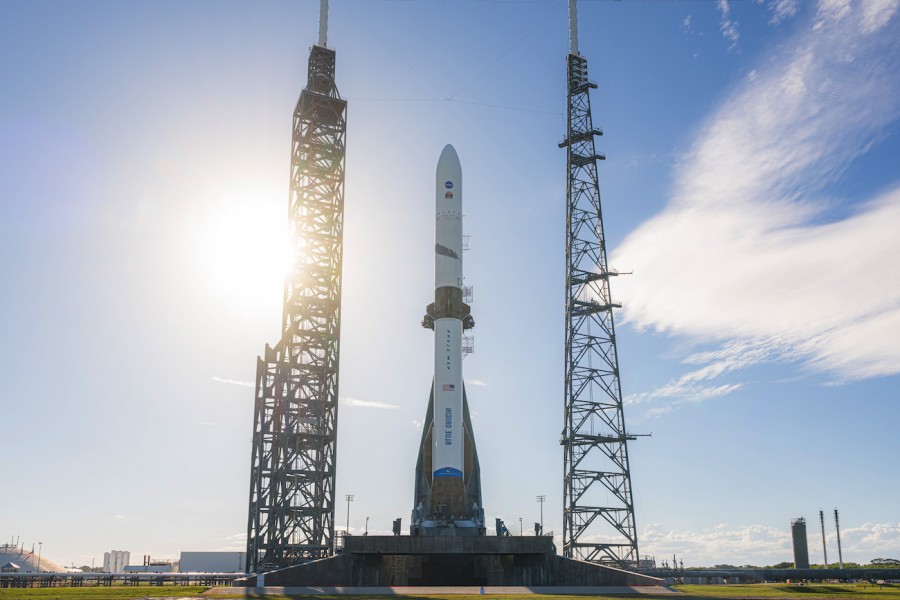
Blue Origin is moving full speed ahead with plans to launch its massive New Glenn mega-rocket later this year, despite a major setback. The space exploration company is doubling down on its flight timeline even though engineers still do not know exactly what caused the vehicle to blow up during a recent pad test.
The company’s Chief Executive Officer, Dave Limp, broke the silence on Tuesday by publishing the most detailed public update since the accident. Writing on the official Blue Origin website, Limp stated that investigators are working around the clock to pinpoint and fix the root cause of the structural failure. Initial telemetry data points to a major issue inside the back section of the rocket’s first-stage booster. To get a clear picture of what went wrong, the team is analyzing a massive mountain of information pulled from dozens of high-speed tracking cameras and hundreds of physical pad sensors.
This sudden hurdle hits at a bad time for the aerospace firm. Blue Origin spent more than a decade slowly and deliberately engineering the heavy-lift New Glenn vehicle from the ground up. After years of quiet development, the team recently picked up the pace to prepare for its big debut. The rocket completed its very first test flight back in January 2025, and ground crews were actively prepping the hardware for its fourth launch when disaster struck. The booster exploded violently during a static test fire on May 28, though thankfully the blast injured no personnel on site.
The pressure to fix these technical issues is incredibly high. Blue Origin needs to return New Glenn to active flight status as quickly as possible because the company holds a prominent spot in NASA’s current strategy to land astronauts back on the moon. Leaders want to achieve these lunar milestones before President Trump leaves office.
Fixing the rocket is only half the battle. The blast completely wrecked the launch pad infrastructure at Cape Canaveral, Florida. Blue Origin must rebuild the entire facility from scratch since it is currently the only launch site they possess that is large enough to handle the massive mega-rocket.
Limp praised the construction crews and engineers for making rapid progress on the cleanup efforts. The explosion completely destroyed a massive lightning protection tower and a critical piece of heavy machinery known as the transporter-erector, which lifts the rocket into its vertical flying position. The shockwave also shattered windows and damaged several nearby support buildings. Despite the heavy destruction, Limp noted that the team got lucky in a few key areas.
Crucial infrastructure survived the accident completely intact, including the main water storage towers, high-pressure gas tanks, and the primary vehicle integration facility. To speed up their return to flight, Blue Origin is ditching the complex transporter-erector setup entirely. Instead, the crew will use a massive industrial crane to lift the New Glenn rocket onto the launch pad before future flights. Limp expects this operational shift to help the firm ramp up its overall launch frequency over the long haul. Before the May explosion derailed their plans, Blue Origin aimed to execute up to 12 separate launches this year.