
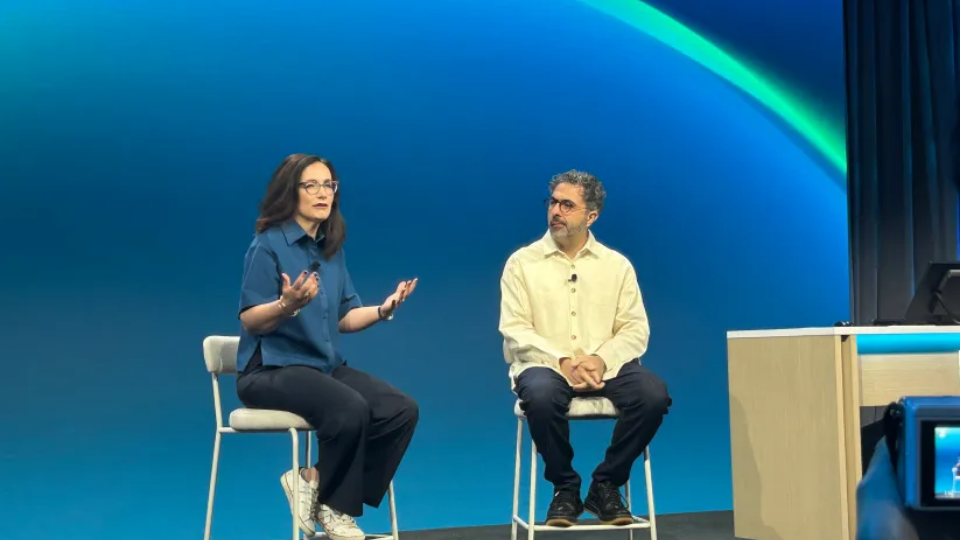
Microsoft rolled out its first security-focused model alongside an autonomous defense platform at a San Francisco press event. The release sets up a direct fight against major rivals like Anthropic, Google, and OpenAI.
The new specialized model, named MAI-Cyber-1-Flash, helps engineers hunt down hidden security flaws in complex codebases. Microsoft built this model specifically to run inside MDASH, a software framework designed to speed up vulnerability identification and automated patching.
Alongside the new model, Microsoft unveiled Perception, a security system built to coordinate teams of software agents. These agents automate everyday security workflows, detect system flaws, and apply code patches without waiting for human intervention. Perception also connects directly into the MDASH framework.
Microsoft claims MAI-Cyber-1-Flash outperforms competing models while keeping operational costs low. Benchmark testing scores show the model beating established rivals like Gemini, GPT 5.5 Cyber, GPT 5.6 Sol, and Mythos 5 on the Cyber Gym benchmark suite. DeepMind co-founder and Microsoft AI CEO Mustafa Suleyman confirmed the team is pushing the system into live production immediately.
Company executives emphasized that defenders need automated systems because criminals use machine learning to speed up their attacks. Microsoft vice president for security Hayete Gallot explained that Perception gives corporate defenders a way to fight automated threats at speed and scale.
The Perception system coordinates red, blue, and green digital agent teams. Red teams simulate cyberattacks to find potential entry points. Blue teams detect and prioritize active bugs. Green teams apply corrective patches to fix vulnerable code. Lead engineer Dave Weston noted that this system cuts hours of manual review down to minutes, allowing teams to discover bugs, rank risks, and ship code fixes automatically.
Microsoft plans to launch a preview version of these tools on November 3. The platform enters a crowded market alongside rival products like Anthropic Mythos and OpenAI Daybreak. Automated software defenders are becoming standard gear as companies race to protect critical digital systems from continuous cyberattacks.