
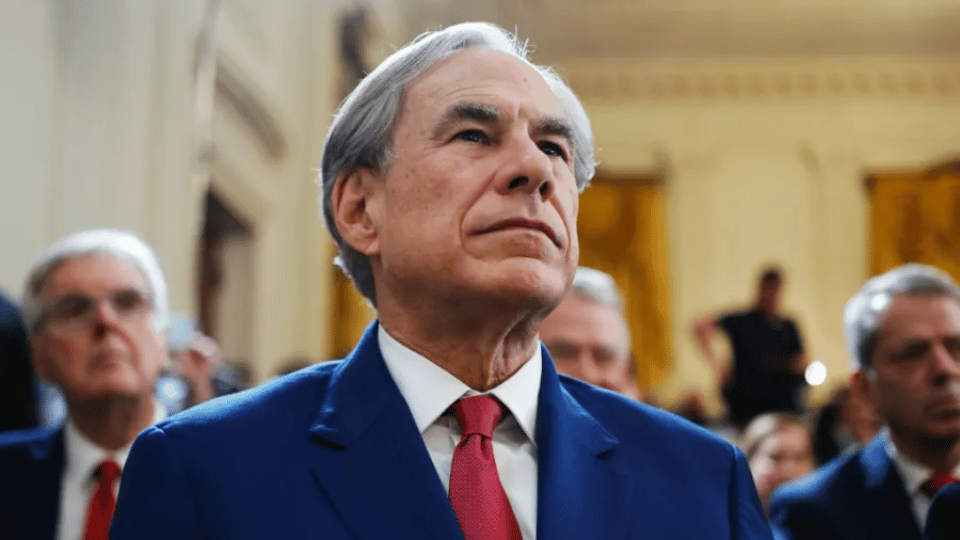
Texas Governor Greg Abbott announced a immediate freeze on new data center developments, demanding full regulatory audits before any fresh construction moves forward. Tech firms have rushed to Texas for years to take advantage of loose business regulations and cheap power supplies. Only Virginia hosts more server infrastructure than Texas. However, the sheer volume of proposed projects is pushing the Texas power grid to its absolute limit.
Under the new directive, both the Public Utility Commission of Texas and state grid operator ERCOT must audit all proposed data center builds. The grid operator interconnection queue spiked dramatically throughout the year. Back in January, ERCOT reported 233 gigawatts of potential capacity waiting for grid access. In under six months, that figure more than doubled, with Abbott office confirming that ERCOT now tracks 474 gigawatts of new connection requests. Data center projects represent roughly 90 percent of those total grid requests.
Many of these connection requests remain early paper proposals. Because waiting lists for grid hookups take years to clear, developers routinely file applications early just to secure a spot in line. Many of those projects eventually fizzle out before construction starts. Still, if even a fraction of these proposed facilities get built, they could easily overwhelm state power supplies. The current backlog equals more than five times total peak power demand across the entire state of Texas.
Major tech companies like Google and Microsoft built massive processing hubs across Texas due to abundant local natural gas, wind, and solar production. According to energy data, utility-scale solar generation jumped fourfold in Texas between 2021 and 2025, keeping power costs low for several years. However, the sudden surge in heavy computing facilities and crypto-mining sites is driving local wholesale power costs up across state lines.
Governor Abbott wants to stop that price spike before it hits residential ratepayers. State regulators are collecting detailed technical data on every proposed server site, including total on-site electricity draw, water consumption rates, noise reduction plans, and local tax incentive packages. Abbott previously attempted to gather this information through voluntary developer surveys, but most tech companies simply ignored the requests. Now, state officials are using formal regulatory power to force compliance.
Texas historically favored light business regulation, with cities like Houston famous for having no formal zoning codes. That hands-off stance helped Texas grow into an industrial powerhouse, but the massive power demands of modern data centers are pushing state leaders to draw hard boundaries. Depending on what these state grid audits reveal, the era of unchecked tech expansion across Texas may be coming to a fast end.