
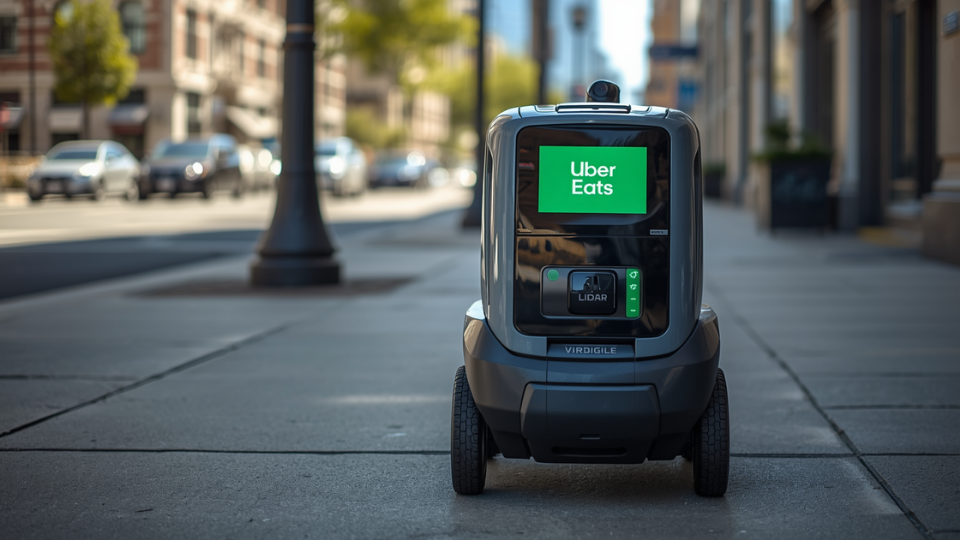
Uber completely sold off its remaining ownership stake in Serve Robotics, the sidewalk delivery robot company that originally spun out of the ride-hailing giant over five years ago. The complete divestment showed up in official regulatory filings, ending a long separation process that saw Uber steadily reduce its holdings throughout 2025.
The final stock sale took Serve management by total surprise. The robotics company learned about the complete exit only after public filings hit regulatory databases. Representatives from Uber did not respond to direct requests for comment regarding the sudden equity dump.
This financial split reflects growing strategic differences between the two former partners. Serve originally began life as Postmates X, the experimental robotics division of the food delivery company Postmates. When Uber bought Postmates in 2020 for $2.65 billion, it acquired the robotics unit along with it. A year later, Uber spun the division off into an independent company named Serve Robotics, taking a massive ownership stake and signing operational contracts to use sidewalk bots across major metropolitan markets.
In May 2023, Uber signed an expanded deal to put up to 2,000 Serve sidewalk robots onto its delivery network in cities across the United States. However, daily delivery volumes began dropping sharply earlier this year. During Serve second-quarter earnings call, co-founder and chief executive officer Ali Kashani revealed that delivery volume generated through Uber fell for the first time in seventeen consecutive quarters. Kashani blamed lower merchant adoption and poor bot utilization across target delivery zones.
Kashani explained that Uber and Serve held conflicting visions on how to scale autonomous delivery fleets. The two companies clashed over fleet management software, dispatch coordination, and local merchant integration. While delivery volumes through Uber dropped off, Serve expanded rapidly with other food delivery partners, growing alternative partner orders by nearly 50 percent in a single quarter.
Because of those operational disagreements, Serve leadership did not expect to renew its primary partnership agreement with Uber when the current contract expires in early 2027. Dumped stock and expiring contracts signal an end to a close working relationship that helped launch sidewalk delivery bots into urban markets across the country.
Uber continues to invest in autonomous vehicle projects worldwide. The company maintains active partnerships and investments across more than 30 separate self-driving and robotics firms, testing autonomous cars, long-haul freight trucks, and delivery bots. Selling off its Serve stock allows Uber to reallocate capital into alternative autonomous ventures as the delivery market evolves.