
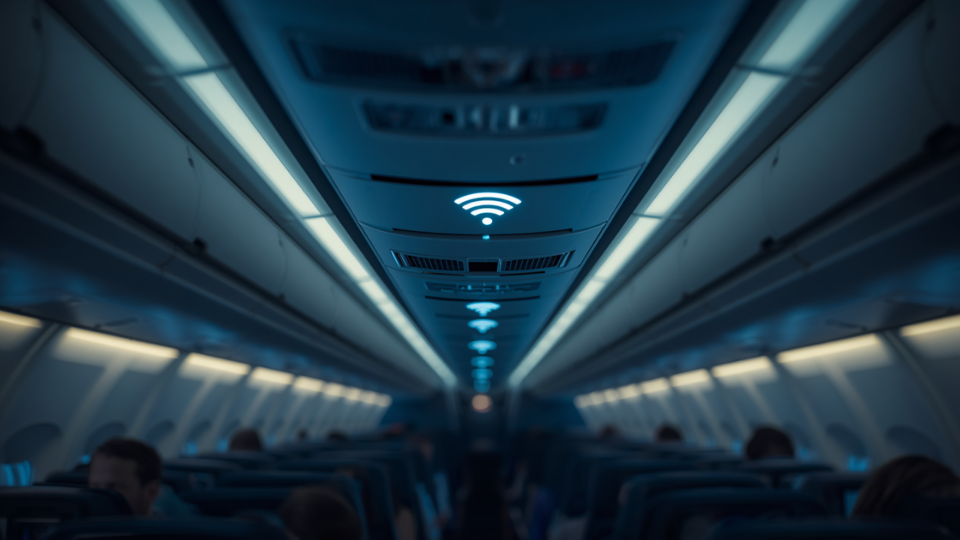
An unidentified passenger set up a fake wireless network onboard a Delta Air Lines flight from Las Vegas to Atlanta on Monday. The rogue network tricked passengers by posing as the plane official connection, forcing the flight crew to contact air traffic control mid-flight.
Delta spokesperson Morgan Durrant confirmed the incident, stating that aircraft safety systems stayed completely secure throughout the event. The airline emphasized that the underlying flight control systems operate on separate channels and were never compromised. However, as a precaution, the flight crew shut down the airplane official internet network for roughly 30 minutes to contain potential risks.
Once flight attendants and pilots realized someone dropped a fake connection into the cabin network list, the flight deck transmitted two separate radio updates to ground controllers. Pilots reported that an unknown person created a scam access point specifically designed to copy the real airplane network name and login landing page.
While the pilots could not immediately identify the specific passenger running the setup, they mentioned to ground controllers that several travelers on board were returning home from major cybersecurity conferences hosted in Las Vegas over the weekend. Security events like Black Hat and DEF CON bring thousands of ethical hackers, penetration testers, and security researchers to Las Vegas every August, making rogue testing gear a common sight among attendees.
Setting up an rogue wireless point requires minimal gear. Anyone can buy handheld hardware tools like a Wi-Fi Pineapple online for a few hundred dollars. Penetration testers and security auditors use these compact devices to test corporate defenses, test network vulnerabilities, and educate students on rogue access points. When powered on, these pocket-sized units broadcast fake network names that match legitimate public connections. Unsuspecting phones or laptops automatically connect to the stronger fake signal, allowing the operator to intercept unencrypted internet traffic, steal login credentials, or redirect users to fake login pages.
Delta initiated a full internal investigation to collect logs and identify the individual behind the broadcast. The airline confirmed plans to work alongside federal aviation regulators and federal law enforcement agencies to track down responsible parties. Disrupting airline operations or spoofing aircraft systems can trigger severe federal criminal penalties.
Local law enforcement handed official inquiries over to federal agencies. Federal Aviation Administration spokesperson Steve Kulm noted that the agency had not yet received a formal incident report, while the FBI did not immediately respond to requests for comment regarding the mid-air rogue network.
This incident highlights how vulnerable public wireless networks remain, even thousands of feet in the air. When passengers board commercial flights and connect to onboard internet systems, verifying network details and using virtual private networks helps protect personal devices from local interception setups.