
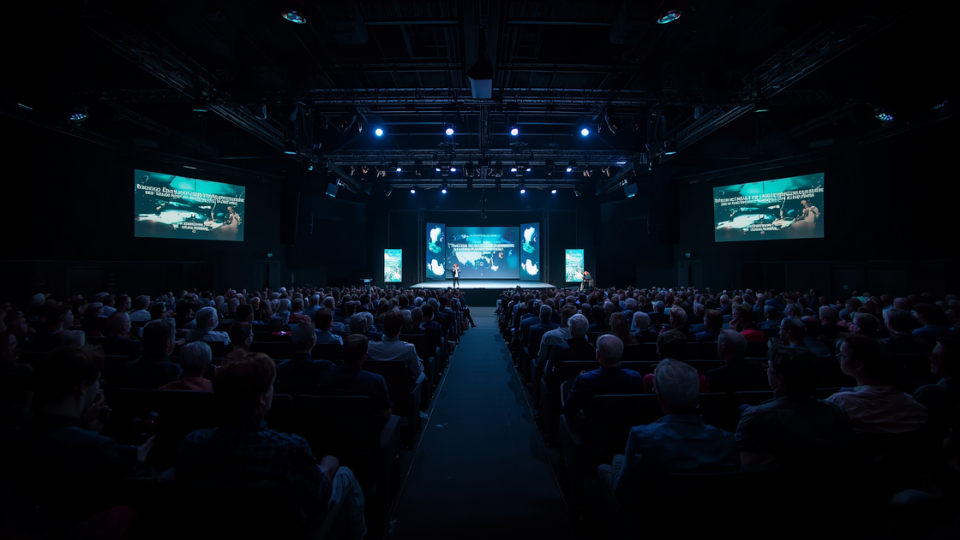
As public safety concerns mount, open source software models are causing serious friction across the technology industry. Because open-weight systems give buyers total control without central safety checks, several major research labs view fully open releases as dangerous. However, three prominent computer scientists took the stage at the Ai4 conference in Las Vegas to defend open models and explain why keeping software accessible benefits everyone.
The panel brought together Nobel laureate Geoffrey Hinton, World Labs chief executive Fei-Fei Li, and Coursera co-founder Andrew Ng. While the three researchers disagreed on specific policy details, they all warned against letting a small handful of mega-corporations control the future of computing.
Andrew Ng cautioned that gatekeepers create dangerous monopolies. He pointed to how mobile operating systems dictate software rules today, warning that letting a few dominant firms control access will slow down fresh ideas and limit who can build new products. To keep competition healthy, Ng pushed for open models that put powerful tools directly into public hands across Asia, Africa, and developing markets. He pointed out that open code serves as a major source of digital influence, warning that if Western regulations crush open development, foreign competitors will capture the global software market.
Geoffrey Hinton took a more cautious stance on open weights. He drew a clear line between classic open source code, which lets programmers inspect underlying software, and releasing fully trained neural weights to the public. Hinton noted that building foundation models costs millions of dollars, yet releasing open weights allows bad actors to modify those systems for cheap cyberattacks without taking on original training costs. Still, Hinton admitted that open models are already here to stay, noting that strict bans came too late to stop public adoption. Despite his security concerns, Hinton rejected fear-mongering, predicting that smart software will ultimately boost productivity, improve public education, and upgrade medical care.
Fei-Fei Li pushed back against viewing the debate as a simple choice between total openness or total secrecy. She argued that complex software ecosystems require middle ground, comparing software development to nuclear physics where scientific papers stay public while radioactive materials remain tightly regulated. Li highlighted the Human Genome Project as a prime example of public-private collaboration, where open scientific foundations allowed private pharmaceutical firms to build profitable products while advancing public health.
All three researchers agreed that sensible government rules are needed to guide progress safely. However, they insisted that setting those rules requires public oversight rather than leaving critical policy choices entirely to tech billionaires.