
During panel discussions at the All-In conference, top executives from world model startups gave investors and researchers a rare peek into spatial computing. Major teams driving this space include Yann LeCun’s AMI Labs and Fei-Fei Li’s World Labs. While both startups generated massive industry buzz and secured deep venture funding, neither team generates substantial revenue today.
At their core, world models focus on automating spatial intelligence. This technology underpins diverse commercial applications, ranging from autonomous driving loops to humanoid robotics and interactive video generation.
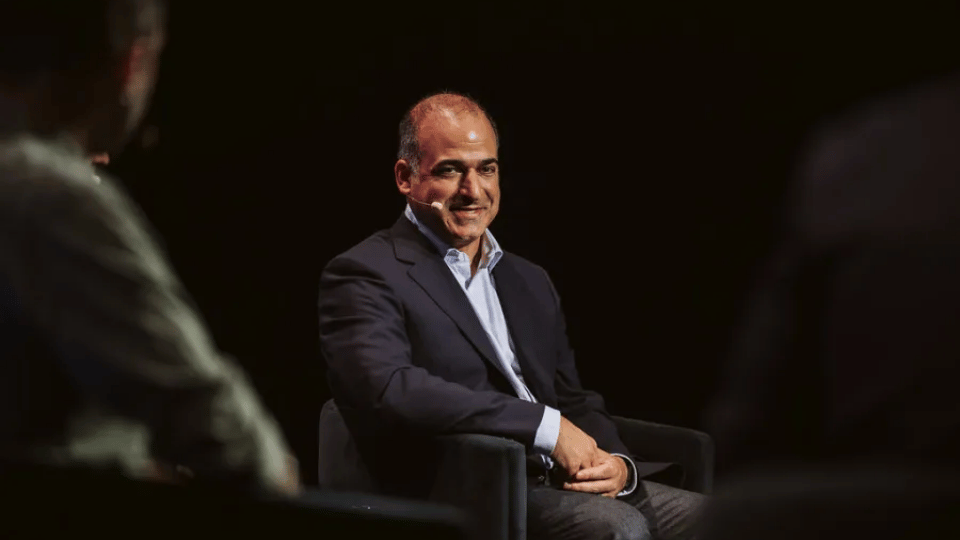
However, tracking exact launch schedules or clear commercialization paths remains tricky. Speaking on the panel, AMI Labs co-founder Michael Rabbat deflected specific product questions, stating his team will share project details only when product features hit maturity. He later clarified via email that AMI Labs remains in a pure research and build phase, keeping roadmap timelines completely private.
To be fair, AMI Labs is less than a year old, making quiet research understandable. Yet this secretive approach spans the entire world model sector. World Labs released a demonstration of its Marble system, showing off media creation features, video footage conversion, and interactive 3D environments. Even so, Marble functions mainly as a technical showcase rather than a finished commercial product.
This culture of secrecy extends down to suppliers. On the conference sidelines, Alex de Vigan, executive officer at data supplier Physics, noted that he supplies training data without knowing how clients apply it. De Vigan explained that data providers could source better training sets if labs shared specific product goals instead of hiding their development directions.
Part of this mystery stems from how versatile world models are. The same core spatial engine that helps autonomous vehicles navigate city traffic can also teach humanoid robots how to move boxes across warehouse floors or convert brief video clips into navigable digital environments. AMI Labs has already explored applications across manufacturing, robotics, and medical research, making it difficult to predict which single vertical will lead the market.
Venture capital funding remains easy to secure for spatial startups, so founders feel little pressure to commit to a single business model early on. Committing to one specific product vertical, such as Hollywood rendering tools, alerts competitors and invites immediate pushback from rival labs like OpenAI or Anthropic.
Easy venture funding cuts both ways. Rivals can raise matching capital quickly, meaning the same money funding one team also builds up direct competitors under the radar. Keeping quiet hides strategic direction, delaying direct competition as long as possible.
Science fiction fans will recognize this stealth strategy as a dark forest scenario. When navigating an unknown technical landscape surrounded by funded rivals, keeping your product plans quiet prevents you from attracting unwanted attention until your tech is ready for market.