
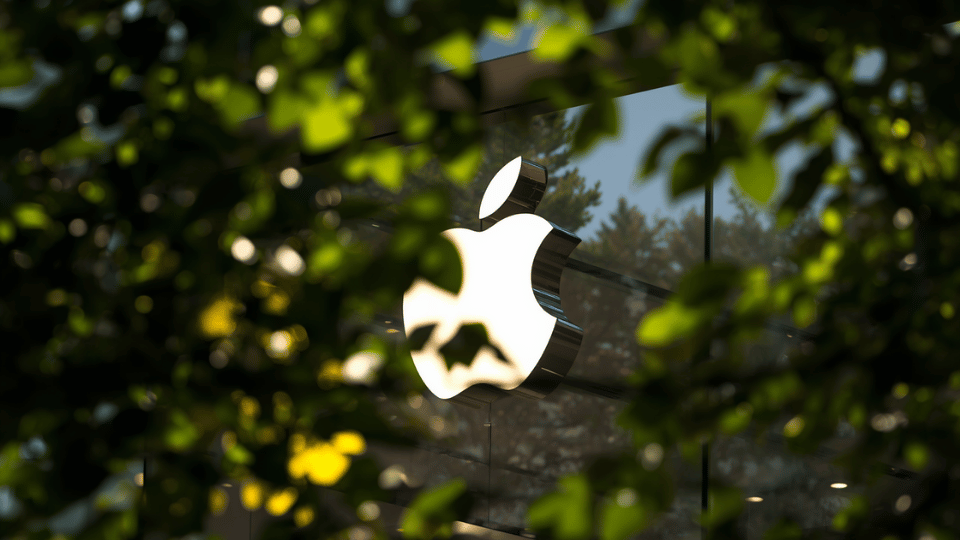
While major technology firms spend billions building automated software agents to buy products on behalf of consumers, the executive who created Apple’s physical retail store strategy believes tech leaders overestimate how much control buyers will yield to machines. Ron Johnson, who joined Apple in 2000 to design its physical retail footprint, argues that physical stores will keep thriving regardless of automated software tools.
Johnson has heard claims about the total collapse of physical storefronts before. When he originally built out Apple’s retail division, critics claimed online shopping platforms would eliminate physical stores entirely. Instead, Apple built a massive brick-and-mortar network that remains central to how the company sells hardware and connects with buyers.
While Johnson views fresh software tools as a way to improve online browsing, he doubts automated agents will change core buying habits. Tech giants continue pushing agentic commerce, with Google building universal commerce protocols and OpenAI enabling users to research, compare, and complete purchases directly inside conversational chat windows.
When asked if buyers will let automated agents spend $1,000 or $2,000 on a laptop without visiting a store or website, Johnson answered with a firm no. He explained that major purchases remain far too personal to hand over to software. Buyers want to feel build quality, test keyboards, inspect displays, and evaluate hardware options in person. While automated software can help narrow product lists, consumers still want to experience physical products directly before spending serious money.
Automated software cannot deliver a physical product experience. Instead, Johnson sees automated tools helping buyers become far more informed before they step into a real store.
This perspective stems from Johnson’s early work with Steve Jobs designing Apple retail locations. Apple stores were built to let people test products, learn how to use devices, and get direct assistance when problems occurred. Rivals tried copying the glass storefronts and open floor layouts, but missed the core strength: well-trained, non-commissioned staff focused on direct customer service.
After leaving Apple, Johnson tried running department store giant J.C. Penney, but left after two years when rapid overhaul efforts stumbled. He later founded Enjoy Technology, an e-commerce platform that delivered mobile tech setups straight to customer homes, though the startup filed for bankruptcy in 2022.
Despite his doubts about automated shopping agents, Johnson remains optimistic about software development overall. He believes Steve Jobs would have welcomed fresh computing tools, using them to support human judgment rather than replacing human experiences entirely