
Serial founder Brett Adcock launched Hark Pro through his year-old startup Hark, introducing a dedicated desktop personal assistant built around computer use. The platform offers a free entry tier alongside a paid subscription plan for power users. Rather than competing with frontier labs to build general intelligence or solve complex scientific equations, Hark focuses on building a direct user interface for artificial intelligence that actively controls desktop computers to complete daily tasks for users.
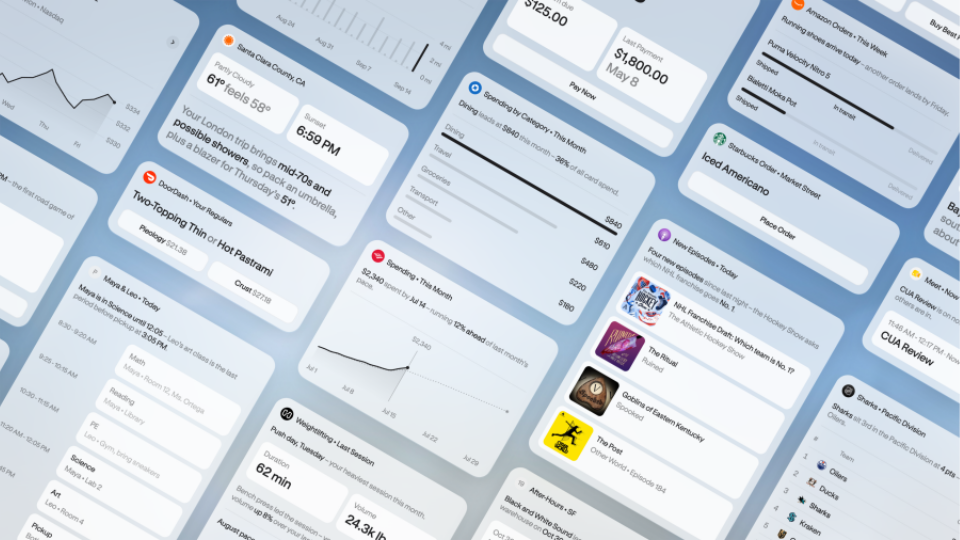
Hark Pro provides a full-screen desktop interface featuring a central communication feed alongside custom widgets that display real-time personal data. The interface populates action prompts based on daily routines, showing active mini-dashboards for schedules, local weather, and background imagery tailored to the user’s location and local time. Users can connect the platform directly to local hard drives, cloud storage, email accounts, digital calendars, and saved credit cards, granting the assistant permissions to navigate native applications and complete web tasks.
Led by former Apple design veteran Abidur Chowdhury, Hark focuses on creating proactive software that anticipates user requirements. The assistant identifies actionable items within incoming messages, suggesting calendar entries, email replies, and flight bookings automatically. During internal testing, the software detected an upcoming vehicle registration renewal for an employee and autonomously navigated through the California Department of Motor Vehicles portal to finalize the application.
To build user trust, Hark Pro uses a floating window interface that displays web navigation steps in real time. Instead of performing actions in hidden background threads, the software lets users watch as the agent clicks buttons, fills out web forms, and executes search queries across browser windows. Showing exact execution steps reassures users that the assistant handles sensitive data correctly while avoiding unauthorized purchases or form submissions.
Privacy forms a major pillar of Hark’s core market strategy. Major tech platforms often collect user activity data to train internal models, sell targeted advertising, or build extensive personal profiles on entire families. Hark stresses that its system focuses strictly on task execution rather than harvesting personal data for ad targeting. Furthermore, training the underlying model specifically for computer use makes execution faster and cheaper than running general-purpose frontier models on cloud servers.
Beyond desktop software, Hark plans to launch custom hardware devices in 2027 to support its agent platform. Chowdhury noted that relying on physical keyboards and terminal screens limits how people interact with software. While remaining cautious about wearable camera designs, Hark is building dedicated hardware aimed at removing traditional input barriers, giving users an active digital assistant across both physical and digital environments.