
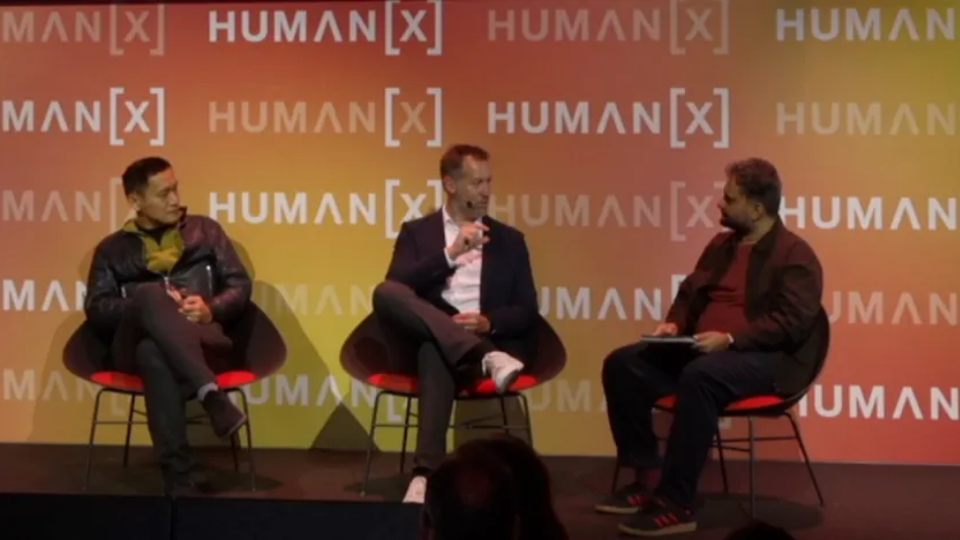
Investors continue pouring billions into voice technology, funding everything from foundational speech models to enterprise customer service platforms and automated meeting assistants. Every week brings product announcements claiming natural speech synthesis and humanlike conversation abilities. However, key industry executives warn that voice technology has not reached its true ChatGPT moment yet. Speaking on stage at the HumanX conference, PolyAI chief technology officer Shawn Wen explained that while developers built full-duplex models capable of speaking and listening simultaneously, current systems still lack the processing speed and reasoning capabilities needed for natural back-and-forth dialogue.
The core challenge facing voice systems centers on reasoning speed rather than raw voice quality. Voice agents need to pull relevant information and construct coherent responses instantly to keep conversations flowing naturally. When processing delays create long pauses between turns, human callers lose patience quickly. In customer service environments, automated agents must project enough competence during early interactions to give callers confidence that the system can resolve their issues without human intervention.
Meeting automation faces similar hurdles when capturing complex human dynamics. Otter chief marketing officer Alex Gay emphasized that speaker identification, intent recognition, and organizational knowledge integration form essential building blocks for true voice automation. Otter actively develops digital avatars to represent individuals in meetings, but matching natural human expression remains a difficult technical hurdle. Real workplace meetings involve debates, spontaneous strategic discussions, and interpersonal relationships. If a voice avatar fails to convey those emotional nuances, the interaction devolves into a basic automated query session.
Underlying transcription accuracy presents another major obstacle for current voice tools. Existing automatic speech recognition models often drop important keywords, causing systems to misinterpret overall context. Gay pointed out that transcription serves as the baseline layer for follow-up productivity actions like automated task creation, meeting summaries, and action item tracking. When baseline transcription accuracy fails, every automated action generated downstream becomes flawed, causing users to lose trust in the platform.
Transparency and user consent also introduce critical operational challenges as voice tools spread across enterprise workplaces. Software platforms need clear disclosure protocols so participants know when an automated agent records or processes conversations. Otter tests explicit notification methods, including chat alerts, to inform meeting participants whenever recording bots join live video calls. Similarly, PolyAI stresses the importance of clearly informing callers whenever they interact with an enterprise voice agent rather than a human representative.
Closing the gap between basic speech generation and true conversational intelligence requires major technical advances in speech processing and context tracking. High-quality audio output alone cannot overcome slow reasoning times, dropped keywords, or awkward conversational pauses. Until models combine sub-second reasoning speeds with precise transcription and natural expression, voice assistants will remain limited to basic administrative tasks rather than handling complex human interactions.