
Meta’s Superintelligence Lab released two advanced language models named Muse Wonder and Muse Wonder Full, entering the competitive frontier model landscape. The launch represents Meta’s first direct push into high-capacity frontier artificial intelligence. While Meta’s earlier Muse Spark model focused on low latency and lightweight execution, the new Wonder series scales up parameter capacity to handle heavy technical workloads, complex computer coding, and multi-step reasoning tasks.
Internal evaluations published by Meta demonstrate that Muse Wonder and Muse Wonder Full deliver benchmark performance matching top rival systems like Fable 5.1, GPT-6 Astra, and Claude Opus. Meta views the release as a major step toward building personal superintelligence platforms capable of assisting users across daily routines. Developers can access Muse Wonder through the Meta Model API at four dollars per million input tokens and twenty dollars per million output tokens, matching the commercial pricing structure of rival models like GPT-6 Sol and Opus 5.5.
In contrast to the standard API model, Meta reserved Muse Wonder Full exclusively for subscribers of its specialized Muse Code platform. Both models directly power Meta’s autonomous Muse agent, driving interactive tasks and long-term personal assistance. A core feature of the Wonder architecture is active memory, which allows the model to retain, synthesize, and update personal information provided by individual users across extended periods.
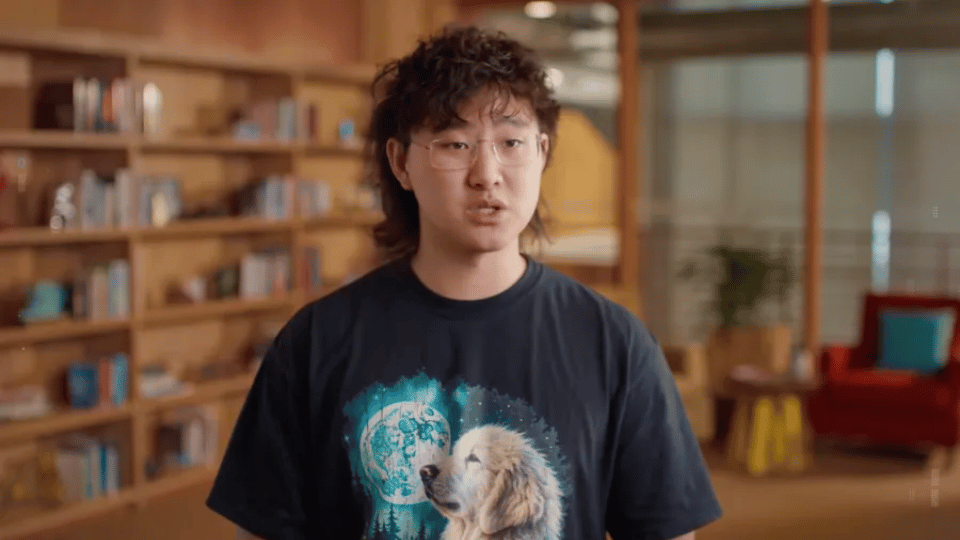
To measure contextual recall, Meta evaluated the models using the MemoryBench benchmark, a test specifically built to evaluate continuous learning, long-term memory construction, and information recall. Meta’s internal testing revealed that Muse Wonder scored higher on MemoryBench than competing models including Fable, Opus, and Astra. Meta research scientist Kavya Kopparapu explained that the engineering team focused heavily on ensuring the system remembers crucial personal details across days, weeks, and months.
The launch marks Meta’s first frontier-class release since restructuring its internal artificial intelligence operations under Scale AI founder Alexandr Wang in August of last year. Following that organizational shift, Meta initially prioritized lightweight tools like Muse Spark and the standalone Muse agent, avoiding direct frontier model comparisons against OpenAI and Anthropic. The release of Muse Wonder signals a clear strategy shift back toward building massive, state-of-the-art foundation models.
Training the massive Wonder models required substantial computing power. Meta trained the new suite inside its Prometheus data center located in central Ohio, a massive computing facility that came online earlier this year. Combining centralized hardware infrastructure with specialized active memory design gives Meta a strong platform for deploying autonomous personal assistants.
Building language models with persistent active memory fundamentally changes how people interact with digital software. Instead of treating every chat prompt as an isolated interaction, systems with long-term context recall past preferences, ongoing projects, and personal instructions seamlessly. As Meta integrates Muse Wonder across its application ecosystem, long-term active memory will play a central role in shaping autonomous agents, daily productivity software, and custom personal assistants.