The Customer Journey (No Longer a Straight Line)
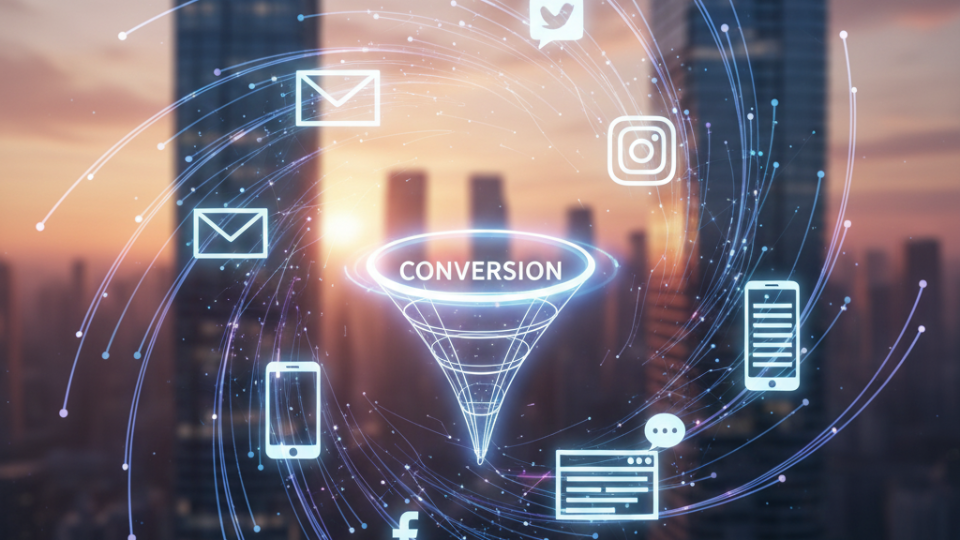
Remember when a customer’s journey was a relatively linear path? Maybe they saw an ad, visited your website, and then called to purchase. Today, that journey looks more like a sprawling, interconnected web. Customers might discover you on Instagram, read a blog post, see a retargeting ad on Facebook, get an email, and then finally convert days later on your website. This complex, multi-touchpoint reality demands a sophisticated, automated approach. Relying on manual efforts across each distinct channel means missed opportunities, inconsistent messaging, and ultimately, lower conversion rates. The answer lies in multi-channel automation, a strategy that orchestrates your efforts across every customer touchpoint, guiding them seamlessly towards conversion.
The Synergy of Integrated Channels
The power of multi-channel automation isn’t just about automating individual tasks, it’s about making each channel work in harmony with the others. When your email marketing, social media, SMS, and website interactions are all connected and automated, they create a cohesive, personalized experience. Think about it:
- Behavior-Triggered Emails: A customer browses a product on your website but doesn’t buy. An automated email, triggered by their abandoned cart, gently reminds them or offers a discount.
- Social Media Retargeting: Following that, the system automatically places a targeted ad for that specific product in their social media feed.
- Personalized SMS Alerts: If they still haven’t converted after a few days, a subtle SMS might offer a limited-time bonus, perhaps tied to an upcoming sale.
This orchestrated sequence feels natural to the customer, as if your brand is anticipating their needs, rather than barraging them with disjointed messages. It demonstrates a deep understanding of their journey.
Personalization at Scale (Beyond First Names)
True personalization goes far beyond simply inserting a customer’s first name into an email. Multi-channel automation allows you to leverage data from every interaction to create highly relevant and engaging experiences at scale. This level of personalization is crucial for conversion optimization because it makes customers feel seen and understood.
With integrated automation, you can:
- Segment Audiences Dynamically: Automatically group customers based on their behavior, demographics, and preferences across all channels.
- Deliver Contextual Content: An automated system can ensure a customer who just read a blog post about “sustainable living” receives an email promoting your eco-friendly product line, rather than a generic newsletter.
- Time Messages Perfectly: Send follow-up messages or offers at the exact moment a customer is most likely to engage, based on their past activity.
This intelligent tailoring significantly increases the likelihood of conversion because the message directly addresses the customer’s current interests and stage in their buying journey.
A Unified Customer View (Breaking Down Silos)
One of the biggest challenges in marketing is having a fragmented view of your customer. Your email platform knows one thing, your CRM another, and your social media insights a third. Multi-channel automation platforms integrate these data points, creating a single, comprehensive customer profile.
This unified view enables:
- Consistent Messaging: Ensure the tone, offers, and brand voice remain consistent whether the customer sees an ad, reads an email, or chats with support.
- Smarter Lead Scoring: Combine behavioral data from all channels to accurately assess a lead’s readiness to buy.
- Improved Sales Handoffs: When a lead is ready for a sales call, the sales team has a complete history of their interactions, preferences, and pain points, leading to more productive conversations.
By centralizing customer data, you eliminate the guesswork and enable every customer-facing team to operate with maximum insight, driving more efficient and effective conversions.
Measuring and Optimizing (The Continuous Improvement Loop)
The beauty of multi-channel automation isn’t just in its initial setup, it’s in its ability to facilitate continuous improvement. The integrated nature of these platforms provides a wealth of data that’s crucial for understanding performance and optimizing for higher conversion rates.
You can automatically track:
- Conversion Rates by Channel: See which channels are most effective at driving specific actions.
- Customer Journey Analytics: Map the paths customers take to conversion and identify bottlenecks or drop-off points.
- A/B Test Variations: Easily test different messaging, offers, and creative across channels to see what resonates most.
- ROI Attribution: Accurately attribute conversions to specific campaigns and channels, proving the financial impact of your efforts.
This data-driven feedback loop allows you to constantly refine your strategies, reallocate resources to high-performing campaigns, and continuously boost your conversion rates. It ensures your marketing efforts are always evolving and becoming more effective.
In today’s dynamic digital landscape, customers expect personalized and cohesive experiences, no matter how or where they interact with your brand. Relying on piecemeal strategies across disparate channels is a recipe for missed opportunities and stagnant growth. By leveraging multi-channel automation, you can orchestrate a symphony of customer engagement, delivering the right message, on the right channel, at the right time. This integrated approach not only elevates the customer experience but also acts as a powerful engine for boosting conversion rates and driving sustainable business growth.
What is one channel you believe your business could better integrate into an automated multi-channel strategy?