
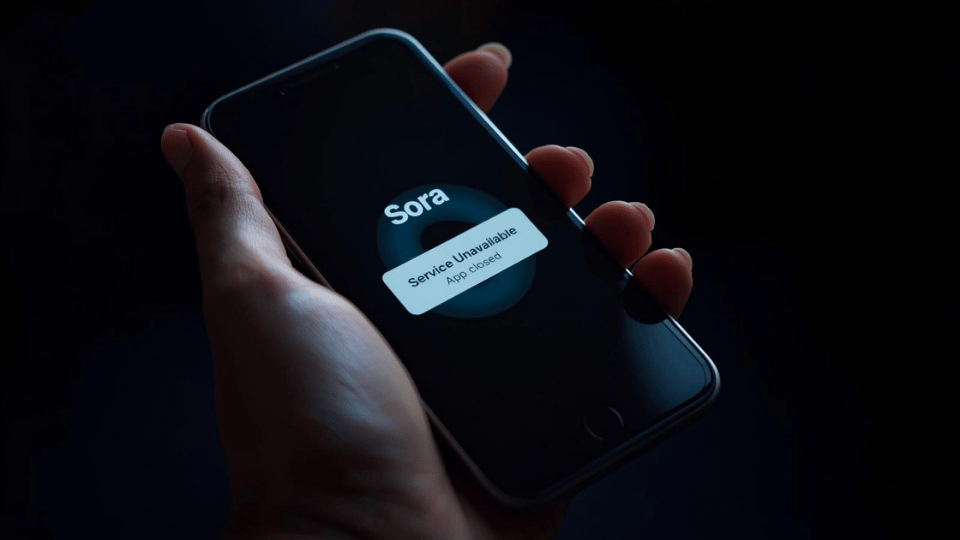
OpenAI just shocked everyone by announcing that the Sora app for mobile is shutting down. If you were one of the lucky few who had access, your time with the standalone video generator on your phone is coming to an end. This move feels like a sudden u-turn for a tool that many saw as the future of mobile creativity. Just months ago, the internet was flooded with clips of Sora creating hyper-realistic videos from simple text prompts. Now, that direct access is vanishing.
The shutdown follows a period of intense testing and viral fame. When Sora first hit the scene, it felt like magic. You could type in a description of a golden retriever playing in the snow or a futuristic city at night, and seconds later, you had a high quality video. It was the app everyone wanted but very few could actually use. OpenAI kept the gates tight, only letting in a small group of creators and researchers to kick the tires. This limited release was meant to help the company figure out how to handle the massive computing power needed to run these models and how to prevent people from making harmful content.
Social media platforms like TikTok were a major reason for the app’s initial buzz. Users shared screen recordings of the interface, showing how easy it was to whip up complex scenes. One famous clip showed a Pikachu holding a sign that said “Generate me while you can,” which now looks like a prophetic warning. That video reached millions of people and made Sora a household name before it even had a public release date. It showed the world that high end video production might soon be possible for anyone with a smartphone.
So why pull it now? OpenAI says they are shifting their focus. Instead of keeping a dedicated Sora app, they want to fold the technology into their other products. This likely means we will see Sora features pop up inside ChatGPT or as part of their API for developers. By doing this, they can manage the heavy server load more effectively. Running a video model is incredibly expensive and taxes hardware much more than simple text or image generation. Moving Sora into a larger ecosystem allows OpenAI to control the flow of data and resources better than a standalone mobile app ever could.
This decision also touches on the ongoing battle over safety and ethics in AI. Video generation is a minefield for deepfakes and misinformation. By pulling the app back, OpenAI gets more time to refine their filters and watermarking technology. They want to make sure that when Sora eventually returns in a new form, it is harder to abuse. For now, the “vibe coding” era of mobile video feels like it has hit a temporary wall.
If you have projects saved in the app, you need to move fast. OpenAI has not given a long window for users to download their work. Once the servers go dark, those AI generated masterpieces might be gone for good. This serves as a reminder that early access to cutting edge tech is often a temporary privilege. We are currently in a transition phase where these tools are moving from experimental toys to integrated features in professional workflows. Sora is not going away forever, but the way we interact with it is changing for good.