
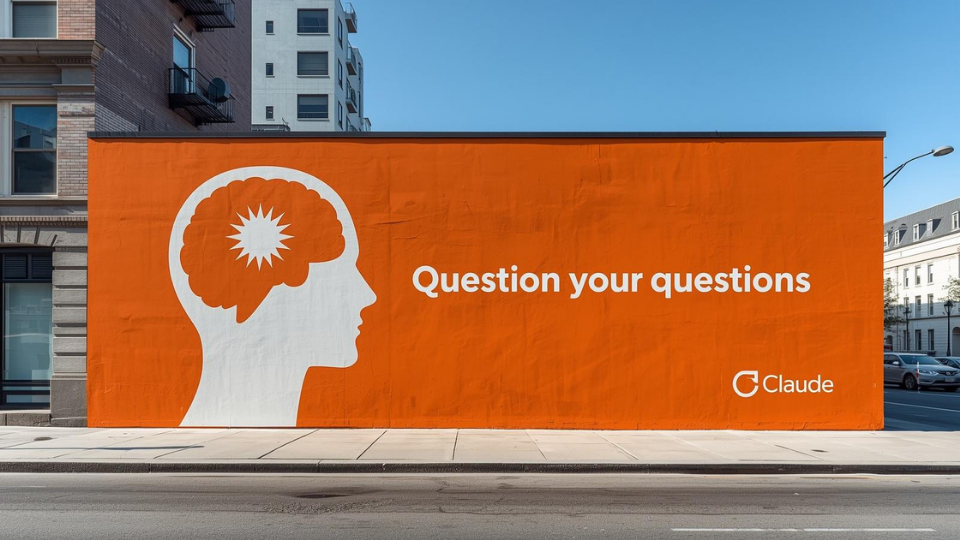
The HumanX AI conference in San Francisco just wrapped up, and the vibe on the floor was unmistakable. While thousands of tech experts gathered at Moscone Center to talk about the future of automation, one name kept popping up in nearly every conversation: Claude. Anthropic’s flagship chatbot was the star of the show, earning shoutouts in countless panels and winning over the vendors walking the floor. It marks a big shift in the industry, as people who used to rely solely on ChatGPT are now moving their work over to Claude in record numbers.
One vendor I spoke with summed up the feeling perfectly. He mentioned that his entire team recently ditched OpenAI’s tools because they felt the quality had gone downhill. This idea that OpenAI has lost its footing is becoming a common take among power users. Despite raising billions of dollars and planning a massive IPO, the company seems to be struggling with its focus. Last month, they reportedly killed off several side projects, including the Sora video generator and a plan for a more conversational version of ChatGPT. Instead, they are locking in on business services, but that move might be coming a little too late to stop the momentum behind Anthropic.
OpenAI is also dealing with a wave of bad press. A recent piece in The New Yorker raised tough questions about whether Sam Altman is actually trustworthy. This has created a lot of noise that the company doesn’t need right now. While friends like Bret Taylor have jumped to Sam’s defense, the constant drama makes OpenAI look like it is just reacting to events rather than leading them. Meanwhile, Anthropic is quietly catching up among business users. A recent analysis showed that both companies are among the fastest growing businesses in history, but OpenAI is no longer the only king on the hill.
To fight back, OpenAI recently launched a new $100 monthly subscription for ChatGPT. This plan gives users much more access to Codex, their specialized coding tool. It is a clear attempt to keep developers from jumping ship to Claude Code, which has become a favorite in the engineering community. Srinivas Narayanan, a lead at OpenAI, noted during a discussion that the world of agentic coding is changing faster than anyone expected. Just a year ago, people were using AI for simple help, but now they are offloading entire automated tasks to these new agents.
The speed of this change is surprising even the people building the tech. While some other AI uses, like creative tools, haven’t quite hit their stride yet, the work being done in software engineering is massive. The amount of work that companies now trust to automated helpers is growing every day. In such a wild and unpredictable environment, no one can say for sure who will be winning a year from now. But for one week in San Francisco, it was very clear that the crowd had made its choice.
Anthropic’s rise shows that users value consistency and a clean focus over corporate drama. If OpenAI wants to win back the room, they need to stop looking at what everyone else is doing and get back to making tools that people actually love to use. The competition is healthy for the industry, but it is putting a lot of pressure on the old guard to prove they still have the magic. For now, the spotlight belongs to Claude.