
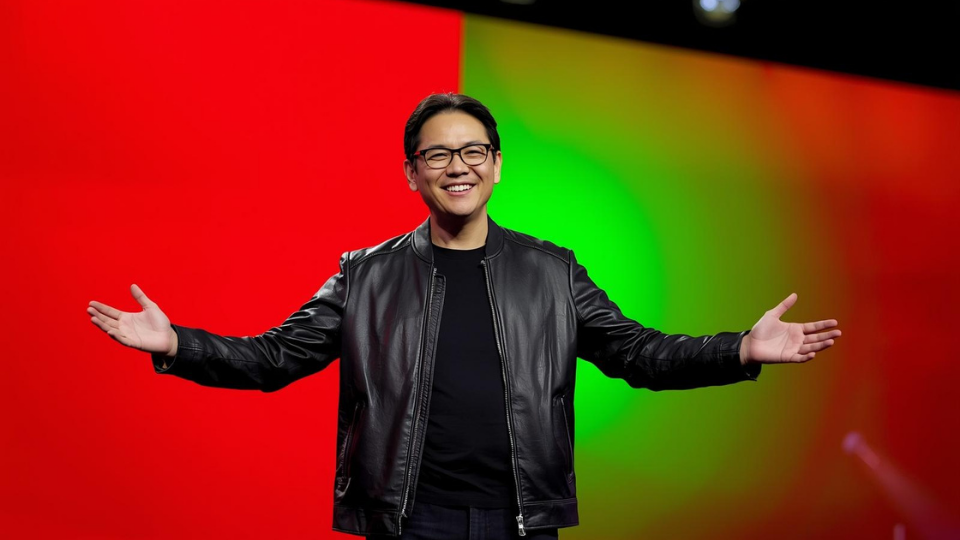
Nvidia CEO Jensen Huang has a message for anyone losing sleep over AI taking their job: don’t panic. During a Monday night talk at the Milken Institute with MSNBC’s Becky Quick, Huang argued that AI acts as an industrial-scale job generator. He thinks the fear of mass unemployment is misplaced and that AI represents the best chance for the United States to bring manufacturing and industry back to life.
A lot of the talk centered on the economic anxiety many Americans feel today. People see how fast AI is moving and worry that it will lead to massive inequality or leave them behind. Huang, however, stayed optimistic. He pointed out that the AI industry needs physical hardware to run, which means new factories. Since Nvidia sells the chips that power this infrastructure, he sees firsthand that these operations need real people to function.
Tasks vs. Jobs
Huang made an interesting distinction between doing a task and having a job. He believes people confuse the two. Just because AI can automate a specific task, like writing a basic email or organizing data, does not mean the entire job disappears. Most jobs consist of many different responsibilities. When AI handles the repetitive parts, the broader role of the employee within the company usually remains.
He also took a swing at the “science fiction stories” people tell about AI dominating humanity. Huang thinks scaring people with these doomsday scenarios is dangerous. When people are terrified, they stop engaging with the technology. If Americans are too afraid to use AI, they might miss out on the very tools that could make their work lives better.
The Reality of the “AI Doomer”
Interestingly, some of the loudest warnings about AI’s dangers come from within the AI industry itself. Critics argue that some companies use this scary rhetoric as a marketing trick to make their products seem more powerful than they actually are. While it is true that academic and financial experts suggest AI could eliminate up to 15% of U.S. jobs in the next few years, Huang remains focused on the growth side of the equation.
Huang sees AI as a way to “re-industrialize” the country. Think of it like the industrial revolution; it changed how we worked, but it also created millions of roles that did not exist before. By building the chips and the software that run the future, we create a massive secondary economy.
The long-term impact on the economy is still a bit of a mystery, but Huang is betting on human resilience. He wants workers to see AI as a co-pilot, not a replacement. The goal is to use these tools to handle the “drudge work” so humans can focus on the bigger picture. If he is right, the AI boom will not just benefit the tech giants in Silicon Valley. It will create a new breed of industrial factories and jobs for workers across the country.