
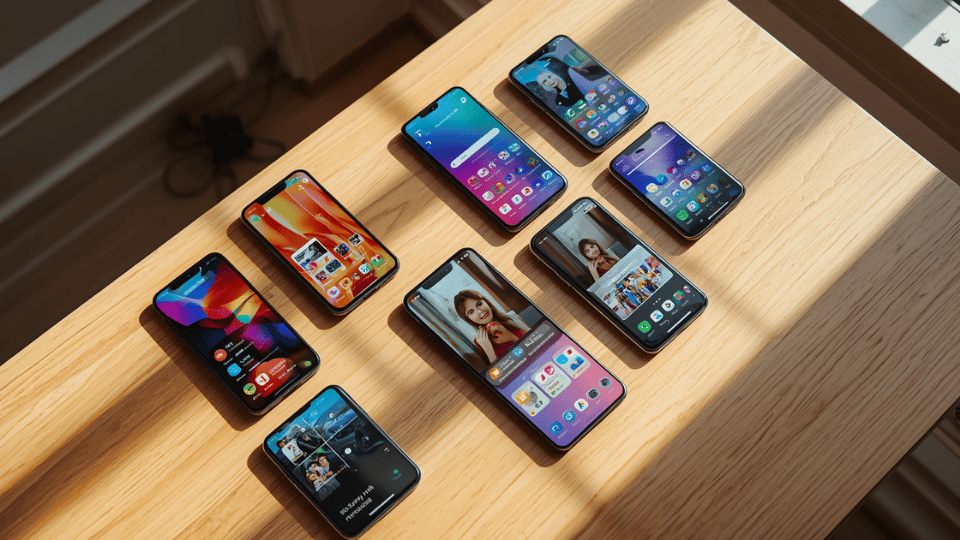
Every day, millions of people swipe through their phones, downloading applications that shape how they talk, work, buy things, and entertain themselves. While tech giants based in the West often grab the major headlines, the global mobile app economy is incredibly vast and varied. Looking closely at the top performing applications worldwide reveals a fascinating shift in consumer behavior and cultural preferences across different continents.
Understanding this landscape requires looking beyond the basic software that comes pre-installed on your device. People are seeking unique digital spaces that offer specialized communities, shopping experiences, and entertainment formats. From fast fashion powerhouses to localized social platforms, the digital world is far from a monoculture.
The continuous rise of cross border e-commerce serves as a prime example of this evolution. Companies like Temu and Shein have completely changed retail dynamics by connecting manufacturers directly with global shoppers. Their mobile interfaces rely heavily on gamification, flash sales, and highly personalized recommendation feeds. This strategy keeps users scrolling for hours, turning casual browsing into a global habit. Instead of relying on traditional web browsers, younger shoppers do their spending entirely within these highly interactive, standalone ecosystems.
At the same time, short form video platforms and specialized entertainment apps continue to capture the majority of daily screen time. While established giants maintain a massive footprint, newer players constantly enter the field with innovative video editing tools, localized filters, and distinct monetization models. These platforms thrive because they understand a simple truth: users no longer want to just consume content, they want to create it easily. By lowering the barrier to video production, these tools have turned every smartphone owner into a potential media channel.
Communication tools show a similar regional divergence. While certain messaging apps dominate North America and Europe, other regions rely on multi-functional super apps. These all-in-one platforms handle everything from text messages and video calls to digital payments, food delivery, and ride hailing. In these markets, a single application essentially functions as the operating system for a person’s entire daily life. This level of integration shows how mobile technology adapts to specific economic and social infrastructure needs.
Analyzing these global trends reveals that the mobile market is highly fluid. Success does not belong exclusively to the oldest or largest corporations. Instead, the apps that win are those that move quickly, adapt to regional internet speeds, respect local cultural norms, and offer immediate value to the end user. As mobile internet access continues to expand, the global app leaderboard will undoubtedly keep shifting, reflecting the tastes of a truly international digital population.