
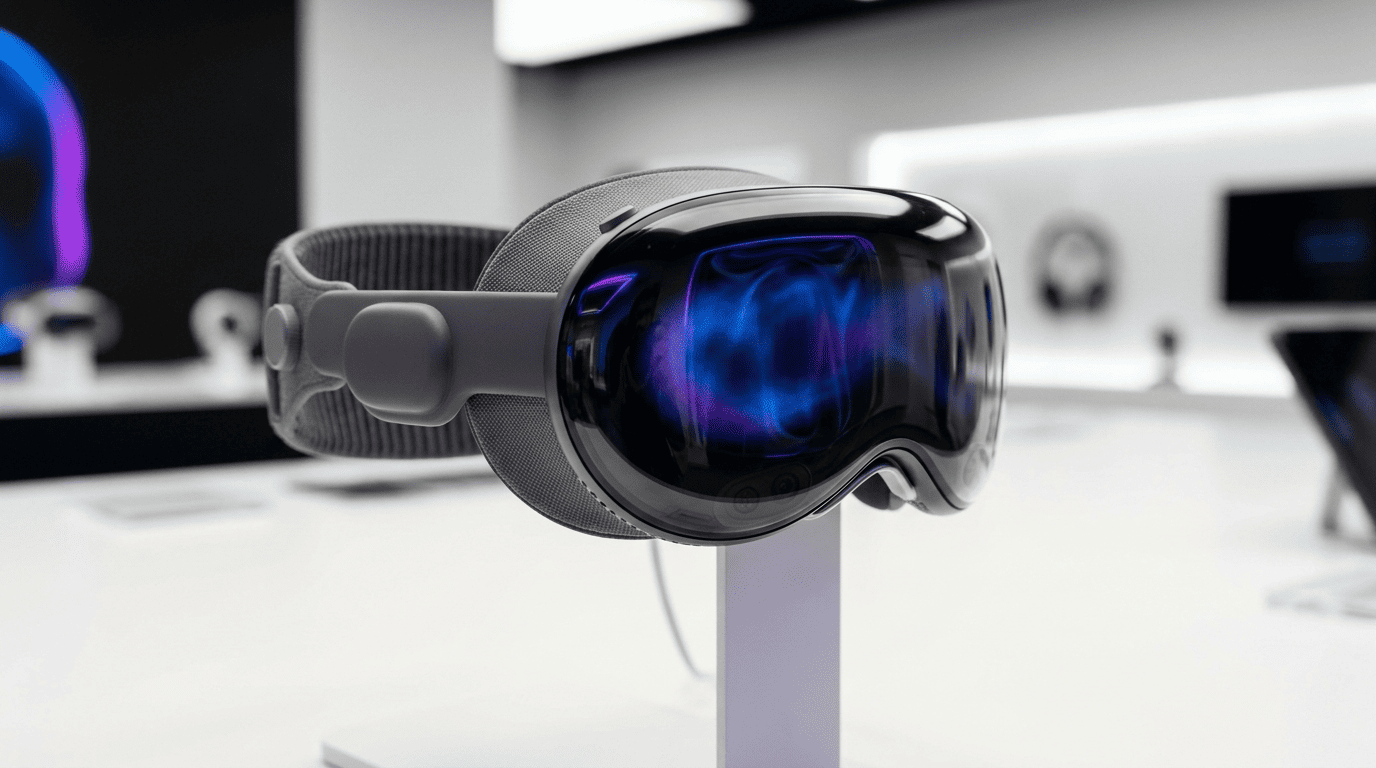
The talent war between the biggest names in technology just took a massive turn. Paul Meade, the Apple vice president who managed the Vision Pro headset, is officially packing his bags. He is leaving the iPhone maker to join the hardware division at OpenAI. This high-profile exit highlights a major shakeup in Silicon Valley as artificial intelligence firms rush to build physical consumer electronics.
Meade did not just oversee the massive, heavy virtual reality goggles that you see featured in image_be105f.jpg. Reports from Bloomberg’s Mark Gurman reveal that he also led the secret engineering team developing Apple’s upcoming artificial intelligence smart glasses. Apple plans to launch these lightweight glasses next year, hoping a more affordable and practical wearable device can help the company protect its market share against successful wearable devices from Meta. Losing the top executive responsible for that exact product launch is a massive operational blow for Apple.
According to industry insiders, this sudden departure is a direct result of broader corporate changes happening inside Apple’s executive suites. John Ternus is currently preparing for an imminent promotion to become Apple’s next Chief Executive Officer. As he gets ready to take the crown, Ternus has started aggressively shaking up the company’s hardware engineering division. This leadership shuffle stripped power away from several long-time vice presidents, leaving them feeling completely sidelined and demoted. Rather than sticking around through the management transition, Meade decided to take his hardware expertise over to the competition.
OpenAI is thrilled to land an engineer with deep experience launching complex consumer hardware. The artificial intelligence startup has spent months quietly building out a hardware department to give its digital models a physical home. They are already working closely with legendary former Apple chief design officer Jony Ive to build a brand new consumer device. OpenAI Chief Executive Officer Sam Altman has teased this upcoming product across media channels, claiming it will offer a much more peaceful and calm user experience than a standard iPhone.
Despite the grand promises, building hardware is notoriously difficult for a software company. Leaked reports from late last year suggested that the partnership between Ive and OpenAI was struggling significantly to get the basic engineering and structural details right. Bringing an experienced factory veteran like Meade onto the team could give OpenAI the exact leadership it needs to solve those physical production bottlenecks and turn its design concepts into actual consumer retail products.
This hiring trend shows that the race for tech dominance is shifting from software apps to physical wearables. Companies realize that consumers do not want to keep staring at phone apps all day. They want smart assistants woven naturally into their daily lives through glasses, pins, or ear pieces. By poaching the head of Apple’s premium headset program, OpenAI is sending a clear message that it intends to beat Apple at its own game. TechCrunch reached out to both corporate offices for official statements, but neither firm has provided an immediate comment on the executive move.