
The dream of a truly hands-off living space is finally moving past basic voice commands. For years, smart hubs could only turn off lights or play music when you explicitly told them to. Now, a fresh wave of open-source automation is completely changing how our houses operate. Leading the charge is an independent framework called SuperMorf, which turns regular appliances into a coordinated network of helper bots that can think, plan, and take care of your daily chores while you sleep.
This new software goes way beyond standard automation templates. Instead of waiting around for a specific text command, the system monitors your household habits in the background. It safely studies data points from your daily routines, including when you wake up, how long you work at your desk, and what times you cook. It takes this knowledge and actively coordinates your appliances to handle tasks before you even think to ask.
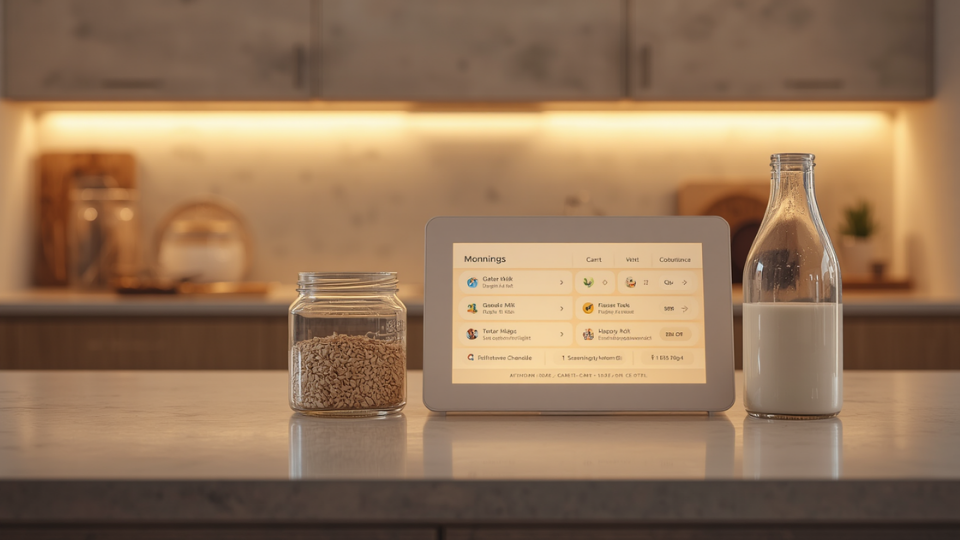
The user interface layouts in image_7c4b61.jpg show exactly how this system coordinates your kitchen and household routines. For example, instead of just setting an alarm on your phone, the application tracks your sleep cycles. As you start to wake up, it automatically starts the coffee maker, adjusts the bedroom thermostat, and turns on a food steamer to prep your breakfast. It can even scan the ingredients left in your smart refrigerator to draft a personalized recipe list for dinner, preventing food waste without forcing you to dig through your pantry shelves.
This level of automation removes a massive mental burden for busy families and professionals. Software developers have spent months building out stable background configurations so these digital assistants can talk to each other across different hardware brands. By handling the deep infrastructure code, the framework allows your smart lights, vacuum cleaners, security cameras, and kitchen appliances to work together as a single, unified team.
Security and privacy remain at the center of this technology shift. Many consumers feel anxious about letting corporate cloud programs listen to their private lives or track their daily habits. The developers behind this project solved that issue by making the framework completely local. Your data stays on your own home server rather than traveling to a distant corporate database. You keep total control over which devices can scan your home setup, and you can shut down permissions instantly with a simple menu toggle.
This update shows that the real future of household tech is not about adding more screens to your walls. It is about building smart software layers that quietly take care of the background grunt work of managing a home. As independent developers continue to clean up the pairing interfaces and add new device profiles, aut