
It is hard to spot the exact moment when genuine enthusiasm for a new piece of technology morphs into a desperate corporate marketing sprint. However, when a fast-casual sandwich chain that features actor Danny DeVito as its primary public face starts stuffing artificial intelligence buzzwords into its official financial documents, the industry has clearly crossed a ridiculous line.
This exact scenario is playing out right now with Jersey Mike’s. Because investors have an insatiable thirst for anything connected to the artificial intelligence boom, tech firms naturally feel intense pressure to sprinkle a heavy layer of automated buzzwords all over their business pitches. This marketing strategy makes sense when an aggressive technology conglomerate like Bending Spoons prepares for a massive public market debut, since that firm built its entire business model around buying older tech companies like Vimeo and Eventbrite to overhaul them with software tracking networks.
Yet, looking through the official Jersey Mike’s initial public offering documents reveals just how far this corporate compulsion can spread. A traditional brick-and-mortar restaurant chain that cooks up physical submarine sandwiches should have zero reason to mention complex machine algorithms to Wall Street regulators. But a quick scan of their registration paperwork reveals that the team listed the term artificial intelligence and its short acronym, AI, a staggering twenty-two times.
In this scenario, the sandwich chain cannot claim it is secretly engineering complex computer algorithms. The company sells real, physical lunch meat and bread. Despite that reality, software terms are exactly what stock investors are hungering for right now.
To make the buzzwords fit, the restaurant found a creative loophole by sliding the phrases straight into its investor risk warning sections. The text does not explain what the company actually uses the software for behind the counter, which could pose a real hazard for stock buyers who want transparent data. Instead, the firm settled for a vague, hand-waving boilerplate sentence stating that the team is beginning to use these automated technologies inside its retail business.
To be totally fair, a massive franchise corporation does rely heavily on basic corporate software to keep its operations moving. The company mentions standard software packages fifty-two times and references raw data streams one hundred and twelve times throughout the prospectus, which matches how almost any modern retail business tracks its sales numbers. But trying to elevate standard database tracking to the level of advanced intelligence feels completely unnecessary. Other major food brands have already run into severe problems by trying to force automation into their kitchens too quickly. For example, Starbucks recently had to scrap a half-baked automated inventory tracking program because the buggy software could not count ingredients accurately or place warehouse orders correctly.
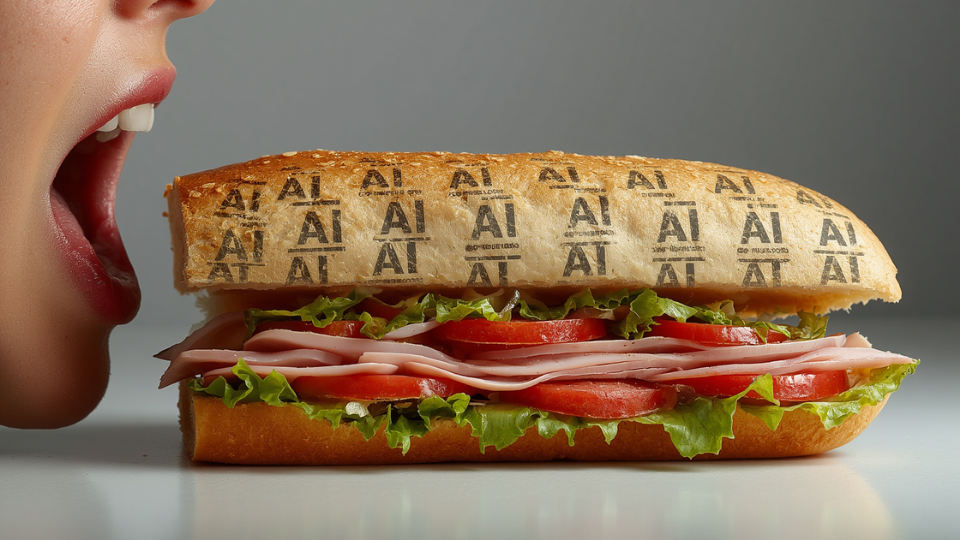
The actual risk of an intelligence breakdown destroying a company that bakes physical bread is incredibly low. In reality, a local sandwich shop faces a much higher statistical chance of getting struck by actual lightning. A physical disaster like a massive storm striking a storefront actually happened to a Texas franchise location back in 2021. Yet, the word weather only shows up five times in the entire S-1 document, and the word lightning does not appear a single time. The image layouts in file image_7614d.jpg capture this corporate obsession perfectly, showing how the tech industry tries to paste digital buzzwords onto everyday consumer goods.