
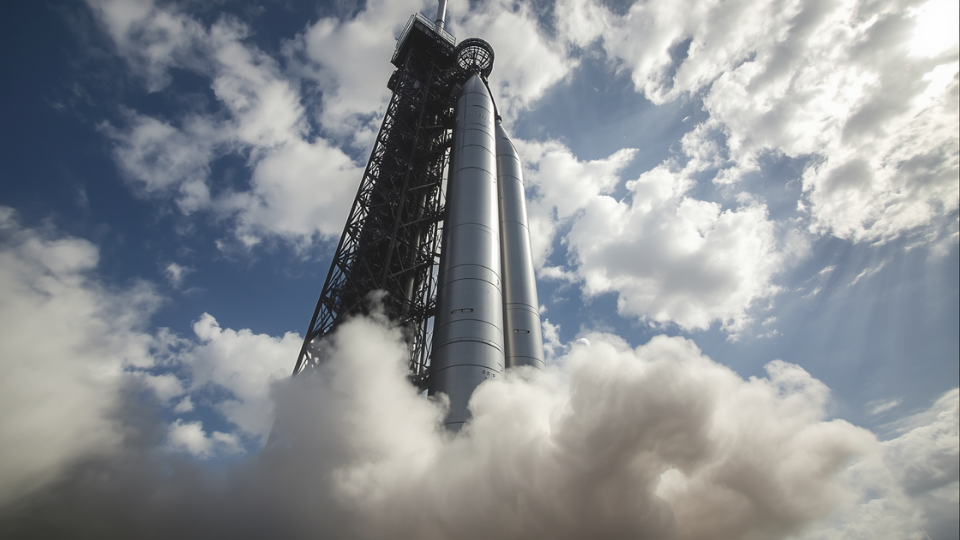
The Federal Aviation Administration just gave SpaceX the green light to launch its massive Starship prototypes again. Aviation regulators paused flights after a rocket booster failed to land correctly during a test mission back in May. The company spent the last few weeks tracking down the exact cause of the breakdown, and the government approved their safety fixes. SpaceX announced that the next high stakes countdown could happen as early as Thursday, July 16. This upcoming flight marks the second ever launch of their third generation rocket platform, also known as the V3 system. This time around, the spaceship will carry actual functional hardware instead of the heavy dummy simulators used on earlier test flights.
This mission represents a critical milestone for the space company. It is their very first flight since transitioning into a public corporation traded on the open stock market. Investors are watching closely to see if Wall Street will tolerate the company’s aggressive, fast-paced development style, which often ends in spectacular mid-air explosions. Elon Musk famously calls these fiery incidents rapid unscheduled disassemblies, treating them as steps to catch bugs early. The financial stakes are higher than ever, as the company went public on the Nasdaq Stock Exchange on June 17, immediately ranking among the top ten most valuable companies on earth after raising nearly eighty-six billion dollars.
The previous V3 test flight on May 22 achieved several major technical goals before the hardware failed. The giant Super Heavy booster successfully carried the vehicle into the upper atmosphere, separated from the main ship, and deployed twenty dummy target units. However, the mission went sideways during the trip back to earth. The booster was supposed to drop smoothly into the Gulf of Mexico, but its landing engines failed to fire up properly, causing the massive metal tube to slam hard into the ocean waves below.
SpaceX engineers discovered that the problem started right at the moment the two rocket sections split apart. A tiny difference in engine startup timing caused the booster to swing ninety degrees off course. To fix the issue, software developers updated the engine firing sequence so the system flips more reliably when it changes direction. The team also modified the internal plumbing to make sure the thrusters ignite smoothly under heavy atmospheric pressure.
The aviation authority confirmed that the initial crash happened because extreme heat warped the engine components during ascent, which then triggered false security alarms in the flight computer. SpaceX updated the alarm logic and built a smarter abort sequence to stop the system from shutting down the engines by mistake on future flights. The team also addressed problems on the main ship, which managed to reach space during the May flight but lost one of its three vacuum thrusters along the way.
The next flight will test the company’s newest satellite design. The team plans to deploy twenty operational V3 Starlink units, which use high capacity laser arrays to beam internet data across the globe. These new units will eventually burn up safely in the atmosphere once their missions end, but six of them carry specialized cameras to record high-resolution footage of the spaceship as it cruises through orbit.