
Big companies face massive headaches when trying to get artificial intelligence tools working reliably across complex internal systems. To solve this mess, specialized teams of forward-deployed engineers are stepping in to help organizations bridge the gap. Former Salesforce executive Efrat Rapoport leads a new startup called June, which exited stealth mode with a fresh approach to fixing enterprise deployment hurdles. Rapoport pointed out that while AI was supposed to cut down on manual labor, companies are paradoxically hiring more people than ever just to set up and manage these complex automated tools.
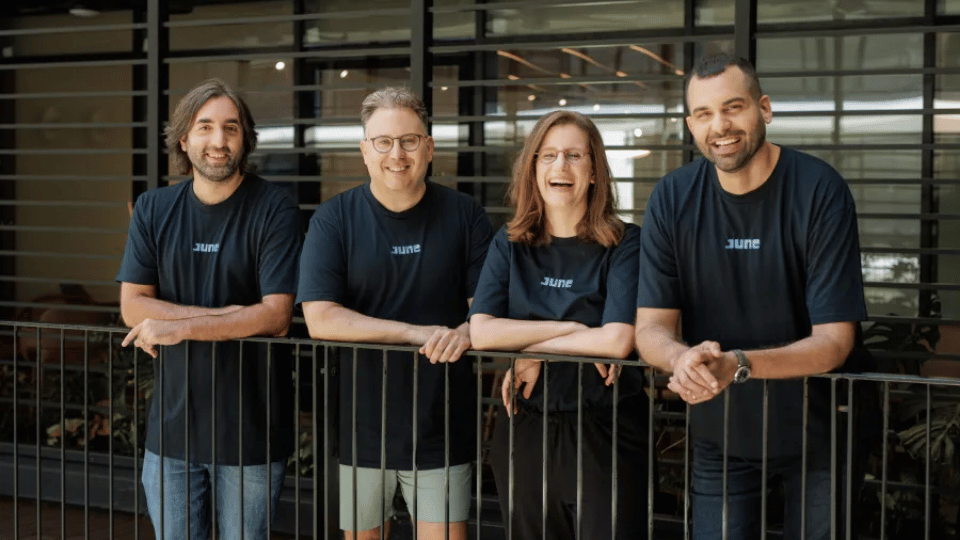
Rapoport founded June alongside Ohad Hen, Barak Goldstein, and Idan Tsitiat. The team raised $20 million in pre-seed funding led by Marc Benioff Time Ventures, with additional financial backing from major tech figures like Michael Dell, Aaron Levie, and George Kurtz. June leadership declined to share its post-funding valuation. The four co-founders previously built Bonobo AI, an early voice-to-text startup that Salesforce acquired in 2017. After working inside Salesforce for several years to build out its internal AI initiatives, the team left to address the deployment struggles they saw enterprise clients facing every day.
Despite public fears that artificial intelligence might wipe out legacy software companies, enterprise reality looks very different. No corporate buyer is replacing its entire customer database or core software infrastructure overnight. Any new software model brought into a Fortune 500 company must work directly alongside legacy platforms like Salesforce, ServiceNow, Workday, and Databricks. Rapoport explained that before any system can create real business value, engineers must clear heavy technical debt, clean up messy databases, and connect fragmented data streams scattered across legacy platforms.
Building a simple software agent or prompt template is easy, but getting that agent to talk to messy underlying corporate databases is where projects stall out. A software agent struggles to execute tasks when duplicate database fields use different names or when separate internal departments use conflicting records. June software solves this by scanning existing company workflows, mapping out operational bottlenecks, and building optimized paths for automated agents. The software then alerts engineering teams directly through internal chat channels to fix data issues step by step.
Instead of handing clients a confusing black box, June delivers a clear roadmap. It pinpoints duplicate fields, guides teams to clean up core data sources, and builds automated workflows directly inside the client environment.
Paul Akinmade, chief strategy officer at major U.S. mortgage lender CMG, experienced these integration roadblocks firsthand when trying to connect his engineering setup to Claude Code. He promised leadership he would deploy 100 working agents, but technical integration hurdles threatened that deadline. His internal team spent weeks hitting walls until adopting June, which gave them a clear setup plan to deploy software agents safely before official kickoff calls with vendor engineers.
Rapoport views June as a practical solution that complements human consulting teams while helping companies avoid endless technical delays. By fixing underlying database structures automatically, June gives enterprise clients an easy path to get software models up and running fast.