
Few automotive companies depend on breakout hits quite like Ford. Historically, the brand moved from one massive success to another, building its business on icons like the Model T, the Taurus sedan, the F-150, and the Explorer. Lately, however, the automaker has struggled to hit that same home run frequency. While overall United States vehicle sales grew one percent year-over-year in 2025 to 2.08 million units, that total stays at less than half of Ford peak output of 4.48 million vehicles recorded back in 2000. Out of all the new models Ford introduced in recent years, none have turned into a massive runaway hit.
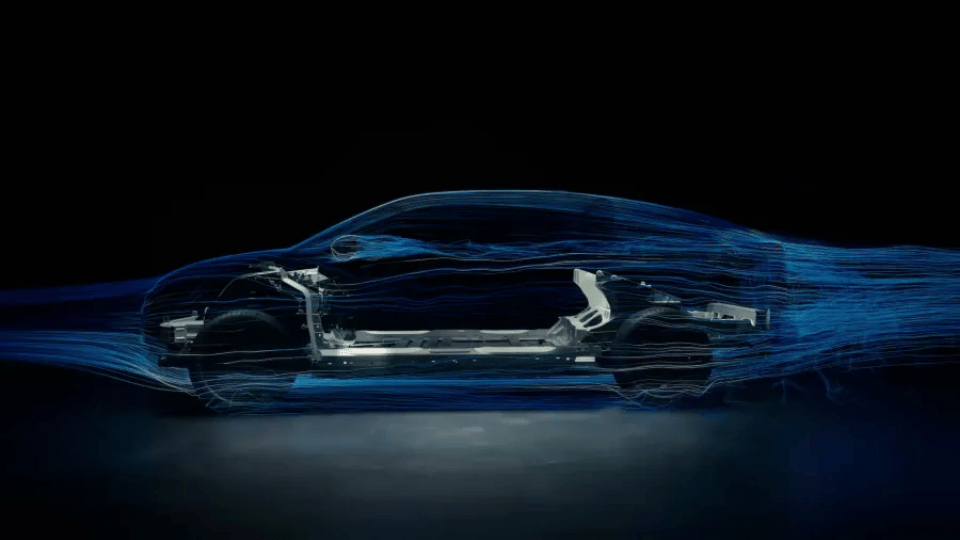
Ford Chief Executive Officer Jim Farley is betting that the upcoming Fathom electric pickup will shift the company fortunes. Farley calls the introduction of the truck and its Universal EV platform a defining moment for the firm, aiming to build an affordable EV that can compete directly with fast-growing Chinese manufacturers. Yet, for reasons both inside and outside Ford control, the Fathom looks unlikely to match the explosive mass-market success that the Taurus or Explorer enjoyed in previous decades.
On paper, the Fathom offers strong value. Ford confirmed that the base model Fathom will launch at $29,945, including destination fees. That pricing sits far below the current $50,000 average price tag for new vehicles and the $55,000 average cost for electric models. The entry price also comes in roughly $5,000 lower than the Keating Line, which marks the average listing price of the cheapest vehicle segment available at dealerships today.
However, sticker price alone does not guarantee massive market adoption. The Fathom enters the market as a compact pickup, a segment Ford revived with the Maverick in 2021. While the compact truck market shows steady interest, sales figures prove it remains a specialized segment rather than a mass-market juggernaut. Ford sold around 155,000 Maverick trucks last year. By comparison, the Taurus sedan sold more than twice that amount at its peak sales year in 1992.
The Fathom holds a few design advantages over the traditional Maverick. Passengers enjoy slightly more interior cabin space, and the electric setup includes a front trunk. That enclosed storage space might appeal to traditional sedan buyers who want secure cargo room. Still, the Fathom remains a pickup, and mainstream car buyers overwhelmingly prefer sport utility vehicles. Industry data from Cox Automotive shows that over 70 percent of prospective buyers look for an SUV, compared to just 33 percent shopping for a pickup.
Truck enthusiasts also present adoption hurdles. Many pickup buyers prefer aggressive styling and off-road capability, even if they rarely leave paved roads. Early previews of the Fathom show a smooth, aerodynamic shape rather than a boxy, rugged frame. Additionally, convincing traditional drivers to drop gasoline engines for battery power takes time, especially as many buyers remain hesitant to make the switch.
The Fathom might not need to break sales records right away to serve its purpose. Ford can use this compact model to test its new production processes and refine its underlying Universal EV platform. By launching a lower-volume truck first, Ford can fix assembly issues, build out supplier networks, and gather real-world driving data. Once engineers iron out the kinks, Ford can apply those lessons to build high-volume electric SUVs that appeal directly to mass-market family buyers.