
Walk out of London King Cross station today, and you will find yourself in the middle of a massive global technology hub. Two decades ago, this neighborhood had a completely different reputation. It stood as a notorious red-light district, known across the United Kingdom for run-down industrial yards, crime, and derelict buildings. Today, developers and city planners transformed those same streets into a shining center for machine learning, artificial intelligence research, and massive venture capital deals.
The massive shift started when major technology corporations began hunting for prime real estate across central London. Google parent company Alphabet set the transformation in motion by choosing King Cross for its primary United Kingdom headquarters. Shortly after, Google acquired DeepMind, the groundbreaking artificial intelligence research lab founded by Demis Hassabis, Shane Legg, and Mustafa Suleyman. DeepMind set up its core operations in the area, drawing hundreds of top computer scientists, researchers, and software engineers to the neighborhood.
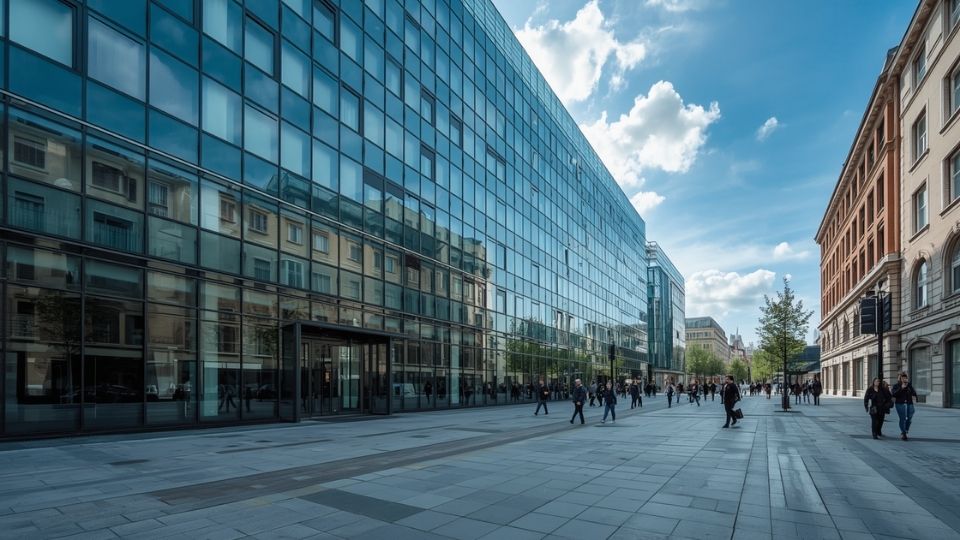
That concentration of elite technical talent created a snowball effect across the local business ecosystem. Startups, venture capital funds, and research groups rushed to set up offices within walking distance of DeepMind. What used to be abandoned warehouses and dangerous alleyways now houses modern glass office towers, collaborative workspaces, high-end restaurants, and retail spaces.
Top tech founders point out that proximity matters immensely when building cutting-edge companies. Having research labs, university partners, and venture backers packed into a walkable neighborhood lets engineers share ideas over coffee and launch new ventures fast. The local talent pool keeps growing as specialized researchers move to London specifically to work near King Cross research hubs.
City officials and urban planners attribute the neighborhood revival to long-term planning and heavy infrastructure investments. The redevelopment project did not just build office blocks. Planners preserved historic brick structures, added open public plazas, and built convenient transit connections linking King Cross directly to major European cities via high-speed rail lines. That mix of modern office infrastructure, historic charm, and transit access makes the area incredibly attractive to international talent.
Many tech founders who built their companies in King Cross choose to stay in London rather than moving to Silicon Valley. They highlight the city high quality of life, strong educational institutions, and supportive public research funding as key reasons to keep their main offices in the United Kingdom. While Silicon Valley remains a major financial competitor, London offers a diverse, international environment that attracts top researchers from every corner of the globe.
The transformation of King Cross shows how targeted urban planning and early investments in research can completely reshape a city economy. By turning a struggling industrial district into a world-class technology ecosystem, London proved that old neighborhoods can reinvent themselves and lead the global technology sector.