
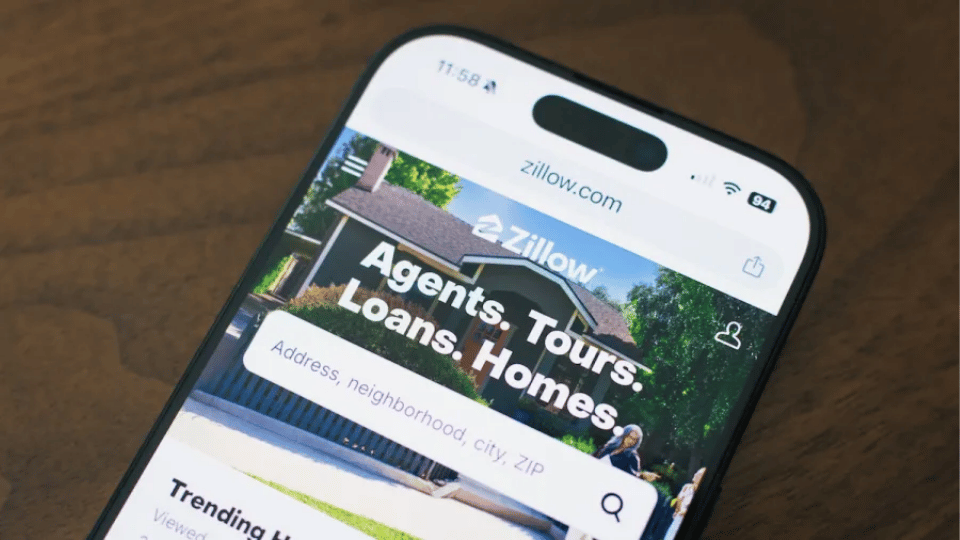
Zillow and Redfin reached a settlement agreement with the Federal Trade Commission and five states, putting an end to a major legal battle over their 2025 partnership deal. The FTC claimed the business agreement hurt competition in the online rental listing market. The companies announced the formal settlement on Monday, right as the antitrust case prepared to go to trial.
The legal action originated from a deal struck last year where Redfin agreed to show Zillow rental listings across its websites instead of competing directly for rental ad dollars. That deal could have kept Redfin out of the rental ad space for nine years. Redfin owns major listing sites including Rent.com and ApartmentGuide.com, making it a heavy player in the rental housing market.
According to government filings from the FTC and state attorneys general from Arizona, Connecticut, New York, Virginia, and Washington, Zillow agreed to pay Redfin $100 million in exchange for stepping away from direct competition.
Both companies originally defended the deal, claiming it helped renters by giving them a single, larger pool of property listings. Regulators viewed the deal much differently. The FTC argued that Zillow paid off one of its biggest rivals to eliminate competition, giving Zillow room to charge property managers higher advertising prices while offering less favorable terms. Government officials also noted that killing direct competition lowered the overall quality of rental search platforms for everyday consumers.
Under the new terms of the settlement, Redfin must step back into the rental ad market as an independent competitor. The court order removes previous limits that stopped Redfin from pitching property management clients directly.
The agreement does not force the two real estate platforms to cut ties completely. Redfin can still display Zillow rental listings on its sites, but it gains back full freedom to compete for its own advertising clients. Redfin can collect its own property listings, sign up rental managers, and sell advertising without sharing sensitive business data with Zillow.
This antitrust resolution comes shortly after a similar high-profile government action. The Department of Justice recently reached a settlement with Ticketmaster over claims that the ticket giant used market power to suppress rival ticketing platforms. However, 26 state attorneys general who joined that original lawsuit chose to push forward independently, eventually winning their case in court.
Forcing major property portals to compete keeps ad rates fair for landlords, property managers, and independent brokers. When real estate platforms fight for listing clients, property owners spend less on marketing fees, helping keep overall rental costs stable for consumers.
Opening up competition across digital platforms also encourages software innovation. When competing sites try to win over users, they build better search tools, add clearer listing filters, and improve mobile app experiences.