
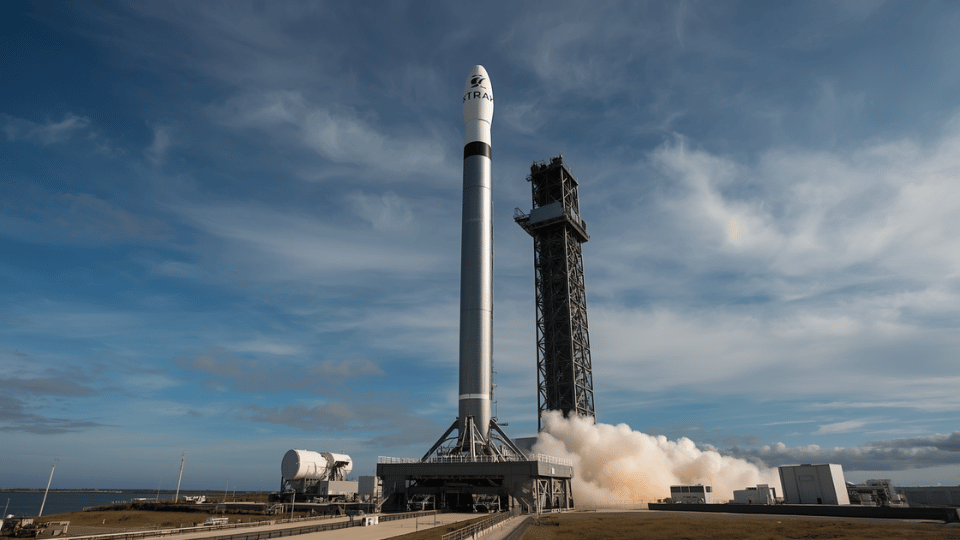
SpaceX announced plans to build a second massive launch facility on a former Exxon property in Louisiana, ending a seven-year search for a new launch zone. The new launch pad sits along the Gulf Coast in Vermilion Parish, west of New Orleans. The location sits roughly ten hours east of the original Starbase complex in South Texas. SpaceX plans to commit $100 billion to the project, starting site construction in 2027 with target goals to launch its first Starship rocket from the location in 2029.
Louisiana Economic Development provides a slightly more conservative timeline, estimating that site work will begin near the end of 2027 and initial operations will go live in 2030. Local state officials expect the spaceport expansion project to generate roughly 3,000 direct long-term jobs over the next decade, with average annual salaries reaching $92,600. Construction trade groups expect project crews to employ more than 30,000 workers at peak buildout.
Before launching operational missions from Louisiana, SpaceX must prove that Starship can reach low Earth orbit reliably and return intact for rapid reuse. The company ran 13 test flights of the massive rocket system since 2023, making steady progress across development milestones. An upcoming 14th test flight aims to send Starship into orbit for the first time. However, SpaceX still needs to demonstrate that it can recover both the main booster stage and upper ship on a single test run to achieve full operational reusability.
Despite ongoing flight tests, SpaceX is placing a huge financial bet on the Starship ecosystem. Elon Musk recently confirmed that the company plans to retire its Falcon rocket line once Starship flies regularly, backing up reports that sales teams are already warning prospective commercial customers about ending the legacy Falcon program.
SpaceX spent over $8 billion developing the Starship platform according to federal filings submitted to the Securities and Exchange Commission. The heavy lifter serves as the foundation for the company’s long-term business model, specifically expanding the Starlink satellite network and launching high-capacity orbital data centers.
SpaceX aims to make the Louisiana installation a self-sustaining spaceport equipped with fuel manufacturing plants, power generation hubs, deep-water shipping access, vehicle prep facilities, and a private airport runway. It remains unclear whether SpaceX will attempt to incorporate a private company town around the Louisiana facility, similar to how it established Starbase in Boca Chica, Texas.
Building high-scale rocket sites carries real operational risks. The original Starbase facility in South Texas saw high injury rates across construction zones over the past decade, resulting in hundreds of reported injuries to federal safety regulators. In May, a third-party contractor died after falling at the Texas site.
SpaceX faced years of legal pushback from environmental groups over how its operations impacted wildlife habitats surrounding the South Texas launch site. To avoid similar delays in Louisiana, SpaceX engaged state wildlife officials, coastal protection boards, and restoration authorities early to assess local risks. The company plans to partner with local agencies to support shoreline protection initiatives and build offshore breakwaters designed to slow down coastal erosion.