
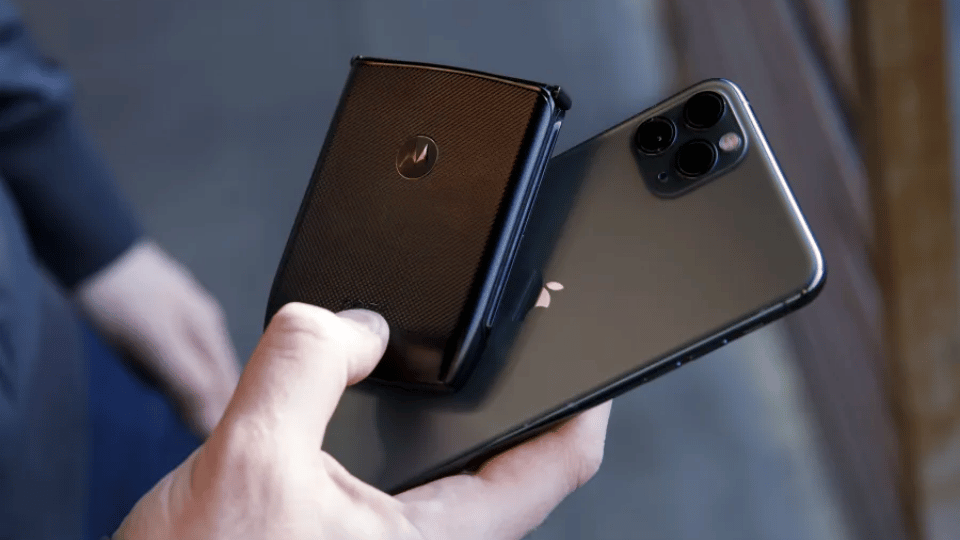
Apple is preparing to enter the foldable smartphone market, launching its first dual-screen mobile hardware more than five years after rival Samsung introduced its initial foldable device.
This year’s upcoming Apple product launch carries extra interest as Tim Cook steps aside from the chief executive role, passing leadership to former Senior Vice President of Hardware Engineering John Ternus. Expectations remain high for Apple’s newest hardware direction, especially as the company enters an entirely new device format.
Industry leaks give us a clear view of what to expect during the September event. Beyond the rumored foldable iPhone Ultra, hardware updates across standard iPhone 16 models, updated AirPods, and new HomePod designs are set to appear.
Early testers report positive experiences with the foldable iPhone Ultra. Reports indicate the device costs over $2,000, though that pricing sits well below the original $3,500 Vision Pro headset tag.
The phone folds into a pocket-friendly shape, expanding open to reveal an iPad-style display. Closed up, the phone uses a 5.5-inch cover screen. Unfolded, the main display opens out to 7.8 inches. When folded shut, the chassis looks shorter and wider than standard iPhone models.
To maintain a thin profile when folded, Apple made hardware trade-offs. Reports indicate the device skips a telephoto zoom camera, which might disappoint buyers paying top tier prices. Instead, the phone carries a dual-lens rear camera housing a main lens alongside an ultra-wide sensor.
Apple is also removing Face ID on this model to save internal space, bringing back Touch ID inside the side power button. MagSafe magnetic wireless charging stays built into the back glass.
The foldable screen runs standard iOS rather than iPadOS, though custom software tweaks support side-by-side app multitasking across the unfolded display. Apple’s internal chip handles heavy software tasks easily, with power metrics matching recent MacBook Neo laptop processors.
Display engineers also focused on fixing the visible screen crease that plagues competing foldable devices. Early reports indicate Apple developed a display panel where the central hinge crease looks nearly invisible during everyday view angles.
For buyers who prefer traditional slab designs, Apple plans to introduce new standard models in the iPhone 16 lineup. Reports suggest Apple may release the high-end iPhone 16 Pro and Pro Max devices ahead of the base iPhone 16 model, reversing its traditional launch schedule.
Apple is also updating its smart home hardware, preparing a HomePod featuring an integrated screen display. Code leaks found inside recent macOS updates confirm references to unreleased smart home hardware.
Additionally, Apple is testing new AirPods equipped with built-in camera sensors. These tiny earbud cameras collect low-resolution visual data from your surrounding environment, feeding real-time context directly into Siri to answer questions about objects you look at throughout the day.
Entering the foldable space gives Apple a fresh hardware tier to drive upgrade cycles. Eliminating screen creases while bringing useful multitasking features to pocket devices positions Apple to compete directly against established foldable rivals.