
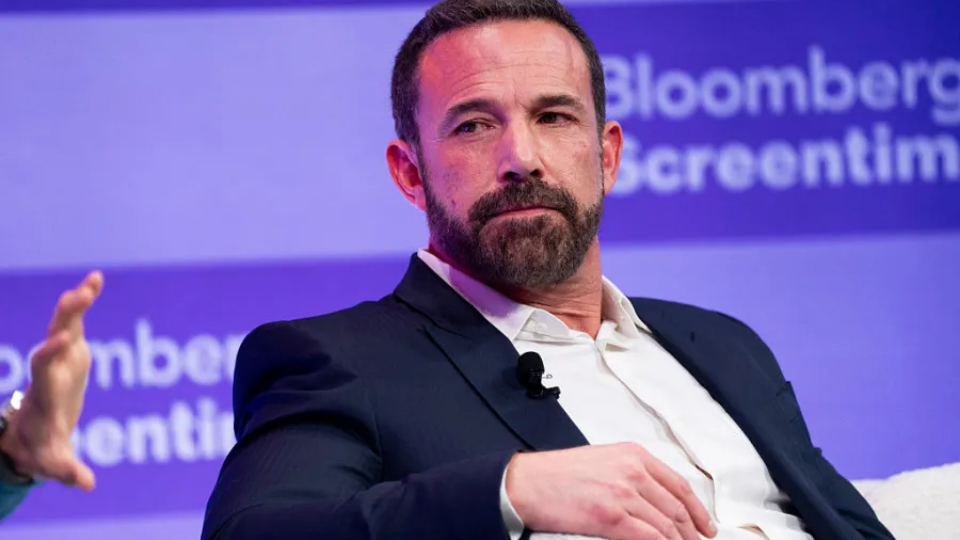
Actor and director Ben Affleck surprised the tech and film industries after sharing a sharp, highly technical analysis of how artificial intelligence will reshape film production. Speaking at the Bloomberg Screentime conference, Affleck demonstrated a deep understanding of machine learning mechanisms, steering clear of typical Hollywood panic to offer a grounded look at how automation intersects with creative media. Clips of his interview spread quickly across social platforms, earning praise from tech workers, film crew members, and digital creators who appreciated his realistic assessment of the industry’s future.
Affleck drew a clear line between the tasks artificial intelligence can automate and the complex human judgment required for genuine storytelling. He pointed out that while generative tools can mimic visual patterns and process technical tasks quickly, current models struggle to create compelling art from scratch. Writing a great script, crafting emotional nuances, or directing human actors requires lived experiences, tastes, and cultural insights that software algorithms cannot replicate. Rather than replacing human directors or screenwriters entirely, AI tools will act as force multipliers for technical production workflows.
The economic impact will hit post-production, visual effects, and background tasks first. Editing, color grading, visual rendering, and sound design require long hours of painstaking manual labor. AI software can automate repetitive steps like removing unwanted objects, matching camera angles, or generating background crowd scenes. Automating these technical bottlenecks reduces production budgets significantly, lowering barriers to entry for independent filmmakers who previously could not afford complex visual effects or large crew sizes.
Affleck noted that reducing production costs will democratize filmmaking and expand the overall pool of content creators. When independent directors gain access to high-end visual tools on modest budgets, smaller studios can compete directly with major legacy networks. However, lowering entry barriers also means content volumes will explode, making discovery far more difficult. In a world flooded with automated videos and cheap digital assets, human taste, unique perspective, and strong editorial direction become the most valuable assets in entertainment.
Legacy movie studios and streaming services will also shift how they greenlight and finance projects. High-budget blockbusters carry massive financial risks, leading studios to rely heavily on predictable sequels and established intellectual property. Integrating AI tools into pre-visualization and asset design lets creative teams prototype complex visual sequences before spending millions on live production sets. Lowering financial risk opens room for bolder creative experimentation, giving mid-budget films a second life in modern cinema.
Understanding how technology reshapes labor economics helps creative workers prepare for structural industry shifts. Fighting technological change rarely works, but learning to guide technical tools gives creators complete control over their projects. Affleck’s practical view offers a sensible roadmap for artists and filmmakers navigating modern digital tools. Treating artificial intelligence as an assistant rather than a replacement keeps human creativity at the center of media production.