
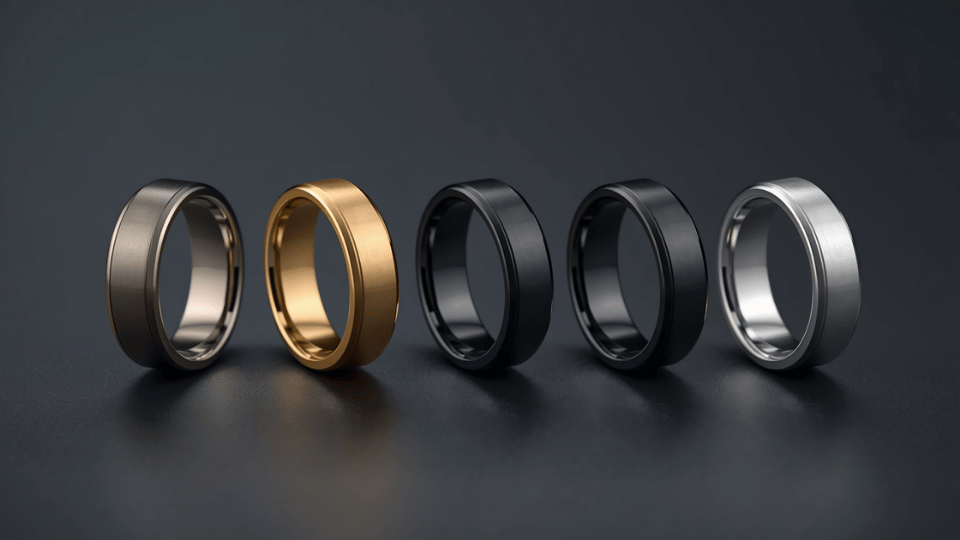
Smart ring pioneer Oura filed confidentially for an initial public offering, preparing to list its shares on public markets. The move marks a major milestone for the Finnish wearable maker, which established the consumer smart ring sector years ago with its sleek health-tracking hardware.
However, going public comes with fresh pressure. A wave of nimble, fast-growing competitors is charging hard to steal market share, offering zero-subscription hardware, deeper health metrics, and direct integration across giant tech ecosystems.
Oura built its initial brand dominance around precise sleep tracking, heart rate monitoring, and wellness recovery metrics. But to keep revenue growing, Oura locked core software features behind a mandatory six-dollar monthly subscription fee. That recurring cost structure frustrates budget-conscious buyers, creating a massive opportunity for alternative brands that skip recurring software charges entirely.
Leading the challenger pack is Ultrahuman, an Indian startup scaling rapidly across global markets. Ultrahuman’s Ring Air tracks sleep stages, heart rate variability, and skin temperature without charging monthly software fees. The company also introduced continuous glucose monitor tracking, giving health enthusiasts a complete view of metabolic fitness. Ultrahuman recently secured major funding to package advanced processor chips inside its next-generation hardware, turning wearable rings into standalone gesture controllers and computing interfaces.
French wearable maker Circular offers another distinct alternative. Its Circular Ring Slim features a built-in haptic vibration motor, allowing the device to wake users silently during light sleep phases or send discreet notification buzzes for custom health alerts. By focusing on real-time physical feedback rather than static app dashboards, Circular appeals to users wanting active daily guidance.
RingConn is gaining serious traction by focusing on long battery life and lightweight titanium construction. The RingConn Gen 2 runs up to twelve days on a single charge while tracking blood oxygen levels, daily stress levels, and sleep apnea indicators. Omitting subscription fees while doubling hardware battery longevity makes RingConn a strong contender for buyers who hate frequent charging cables.
Tech giant Samsung presents the biggest long-term threat to Oura’s market dominance. Samsung launched its Galaxy Ring, integrating the wearable directly into its massive mobile device network. The Galaxy Ring requires no monthly subscription and syncs effortlessly with Samsung Health, allowing millions of Galaxy phone owners to track health data without buying into outside software ecosystems.
Meanwhile, luxury hardware brand Dreame is entering the space with premium materials and custom design aesthetics. Dreame targets style-focused buyers who view smart rings as high-end jewelry first and health trackers second.
As Oura prepares its public market debut, the smart ring space is expanding fast. Consumers no longer have to settle for mandatory monthly fees or basic sleep scores. Rising competition forces hardware makers to deliver longer battery life, richer health tracking tools, and fair pricing models, making smart rings one of the most exciting segments in consumer tech today.