
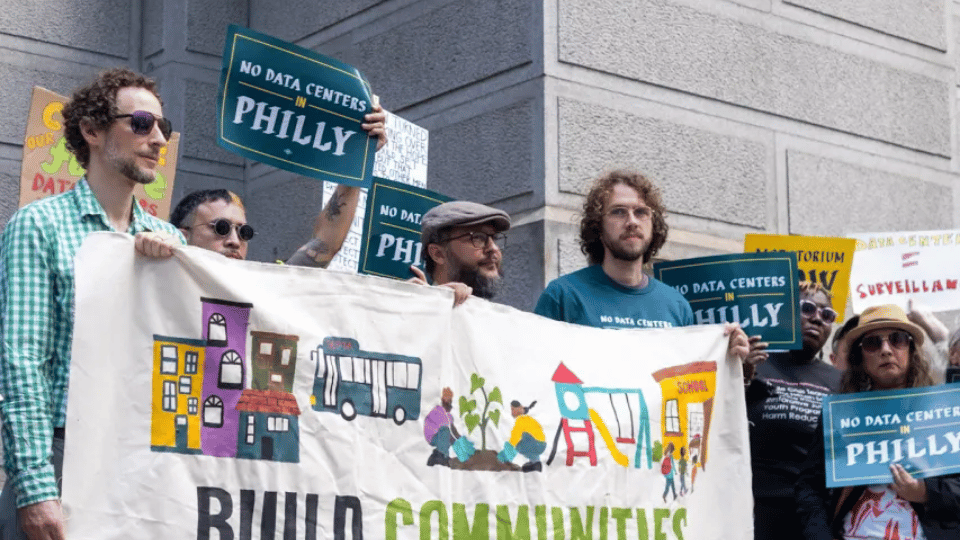
Technology companies building massive computing facilities face mounting backlash from local residents, town councils, and environmental activists who worry about soaring electricity demands, water drain, and noise pollution. To smooth over community pushback, tech developers historically relied on strict non-disclosure agreements, keeping project details, power requirements, and tax incentives hidden during early negotiations. However, secrecy often backfires, fueling public skepticism and driving intense grassroots opposition across rural towns and suburban neighborhoods.
On a recent podcast episode, tech reporters examined whether abandoning non-disclosure agreements can repair trust between developers and local communities. Proponents of transparency argue that gag orders prevent public officials from holding open debates with their constituents. When residents discover a massive industrial facility planned nearby without prior public notice, anger builds quickly. Scrapping secret agreements allows developers to discuss power consumption, water usage, and land zoning openly from day one.
Opponents of data center expansion point out that transparency alone fails to solve core resource conflicts. A massive server facility still demands gigawatts of electricity, pulls millions of gallons of cooling water from local aquifers, and drives up regional energy prices. Dropping non-disclosure agreements makes local meetings more transparent, but it does not magically create extra capacity on fragile power grids or reduce acoustic noise from high-powered cooling fans.
Tech developers counter that early secrecy protects proprietary engineering designs, land acquisition prices, and competitive corporate strategies. When news leaks about a planned development, rival buyers can bid up land costs or block transmission access. Yet relying on secrecy creates an impression that tech firms care little about local impacts, prioritizing rapid construction over environmental sustainability and community input.
Public pushback has already stalled or canceled several high-profile infrastructure projects across the country. Local zoning boards regularly vote down facility permits after crowds of angry voters show up to town hall meetings. Activists demand strict caps on water usage, clear commitments to clean energy, and direct financial contributions to local infrastructure before granting building permits. Without strong local support, multi-billion-dollar buildouts face long legal battles and costly delays.
Building a sustainable path forward requires tech companies to change how they engage with local communities. Dropping non-disclosure agreements represents a positive step toward open communication, but genuine trust demands real operational compromises. Developers must invest directly in grid upgrades, fund municipal water recycling facilities, and design noise mitigation systems to protect neighboring homes.
As artificial intelligence workloads drive unprecedented demand for computing power, finding common ground with local towns becomes essential for digital infrastructure growth. Tech giants cannot simply buy secrecy or bypass local democracy. Embracing open negotiations, sharing detailed environmental impact reports, and making real investments in community infrastructure will determine which developers succeed in expanding their physical networks over the coming decade.